



Picture this: your assets could be lost in the event of a single spark in an unsecured server room or a burning electrical failure behind a warehouse wall. By the time you detect smoke, it might be too late. The safety of a physical location is important to Australian business owners for reasons beyond insurance; they want to make sure that an accident won’t force them to close their doors forever.
At this point, hiring a professional fire detection service is crucial. Fire detection systems nowadays are much more than just a ceiling alarm; they keep a careful eye on your property throughout the clock, spotting potential dangers before they become major problems.
In this manual, we’ll go over the many ways that a high-quality fire safety system may benefit your business, including meeting stringent Australian regulations and giving your employees and customers piece of mind.
10 Powerful Advantages of Fire Detection Services
To set the stage for answering frequently asked concerns, let’s examine why these services are an essential component of every contemporary building:
- Protecting Lives: The primary advantage is the early warning system, which enables a controlled and secure evacuation.
- Protection of Property: A complete loss of infrastructure and inventory can be averted by detecting a fire in its “smouldering” stage.
- Compliance: To stay out of legal hot water and pay hefty fines, make sure you’re in compliance with Australian Standards (like AS 1670.1).
- 24/7 Monitoring: Automatic fire alarm service provider’s (AFASP) provide around-the-clock monitoring, so fire brigades can be dispatched regardless of whether the facility is occupied or not.
- Insurance Premium Decreases: A large number of insurance companies provide substantial premium reductions to properties that have monitored fire detection systems.
- Business Continuity: You can reduce the downtime and water damage that sometimes comes with late-stage suppression by spotting fires early, which helps with business continuity.
- Precision: Addressable systems precisely identify the smoke’s position, enabling a quicker tactical response and potential to back-charge false alarms.
- Reducing False Alarms: State-of-the-art multi-sensor technology can tell the difference between real fire dangers and ambient factors like steam or dust.
- System Integration: Your fire panel may talk to your HVAC, BMS, security, and lifts with the help of these system integration services.
- Relaxation: Professional fire detection services give you peace of mind, letting you focus on growth rather of the continual “what if.”
FAQs
1. Is a fire alarm system a legal requirement for my business?
For informational and navigational purposes only. In Australia, the National Construction Code (NCC) and state-specific health and safety laws say that buildings must have a fire system. In order to be in compliance with the deemed-to-satisfy requirements of the law, most commercial, industrial, and multi-residential structures typically need expert fire detection services.
2. How does a fire detection system vary from a smoke alarm?
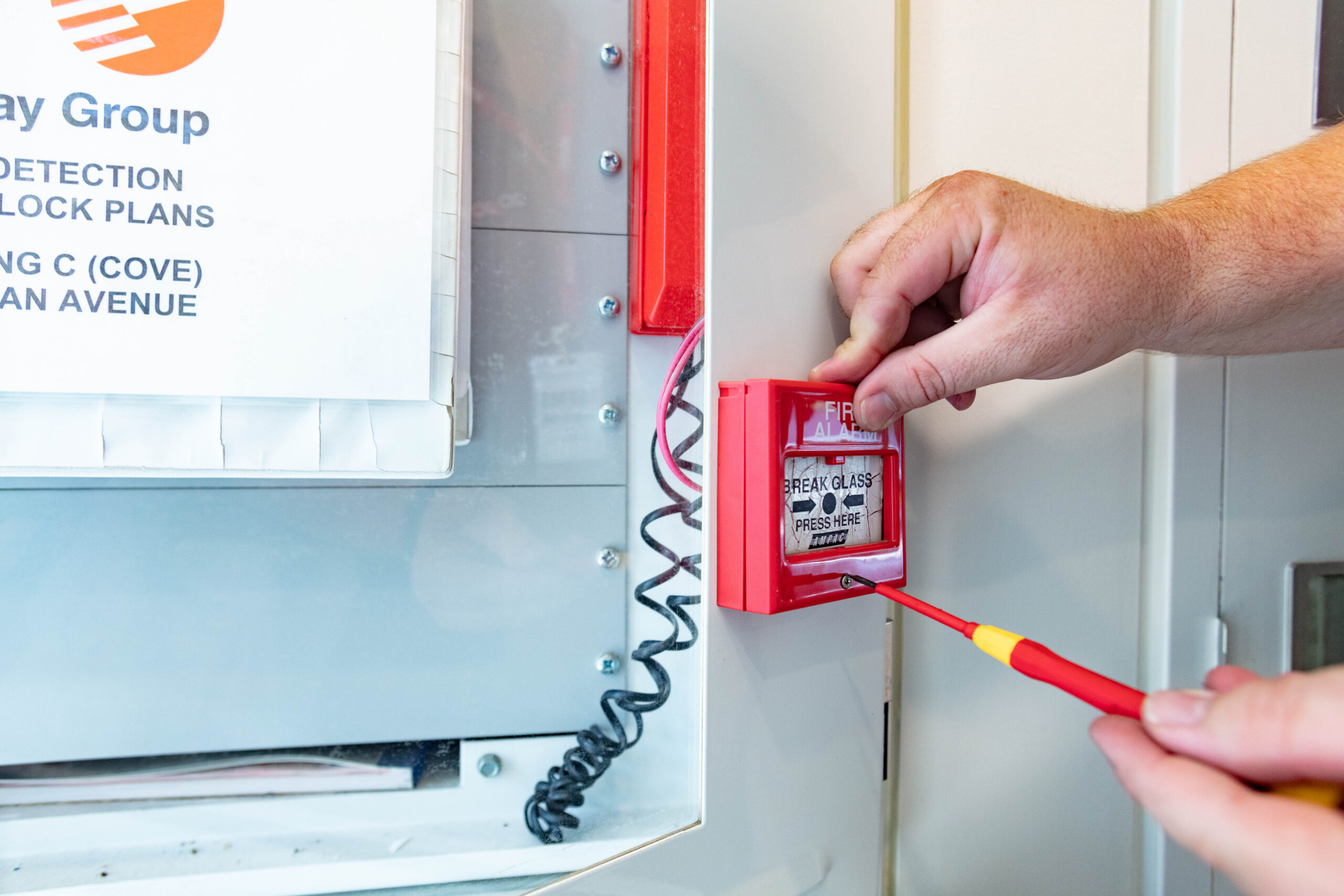
Purpose: Educative. Many houses have smoke alarms, which are independent, stand-alone devices. Alternatively, fire detection systems are interconnected networks that include a fire indicator panel, various heat, smoke, and flame sensors, as well as manual call points. The whole facility can respond in unison thanks to this network.
3. What is the potential savings on insurance rates for a fire detection system?
Goal: Business. While exact savings varies by provider, many Australian insurance companies know that having a system installed and serviced by experts greatly reduces the possibility of a defect or claim. After verifying a monitored system, it is usual to observe premium reductions ranging from 5% to 15%.
4. What sets “Addressable” fire alarms apart from “Conventional” ones?
Objective: Informational / Commercial. As an example, a “zone” (like Level 2) is identified by Conventional systems, whereas the precise device (like Room 204) is identified by Addressable Fire Detection Systems. In more complex cases, this level of accuracy is what separates a search that takes 30 seconds from one that takes 10 minutes.
5. Is remote monitoring of fire detection systems possible?
Objective: Purely informative. Advanced fire detection systems incorporate GPRS or IP-based surveillance. This way, the fire department or your security team will be alerted immediately in the event of a fire, even if it starts at 3:00 AM on a Sunday, and it doesn’t matter if anyone is there or not.
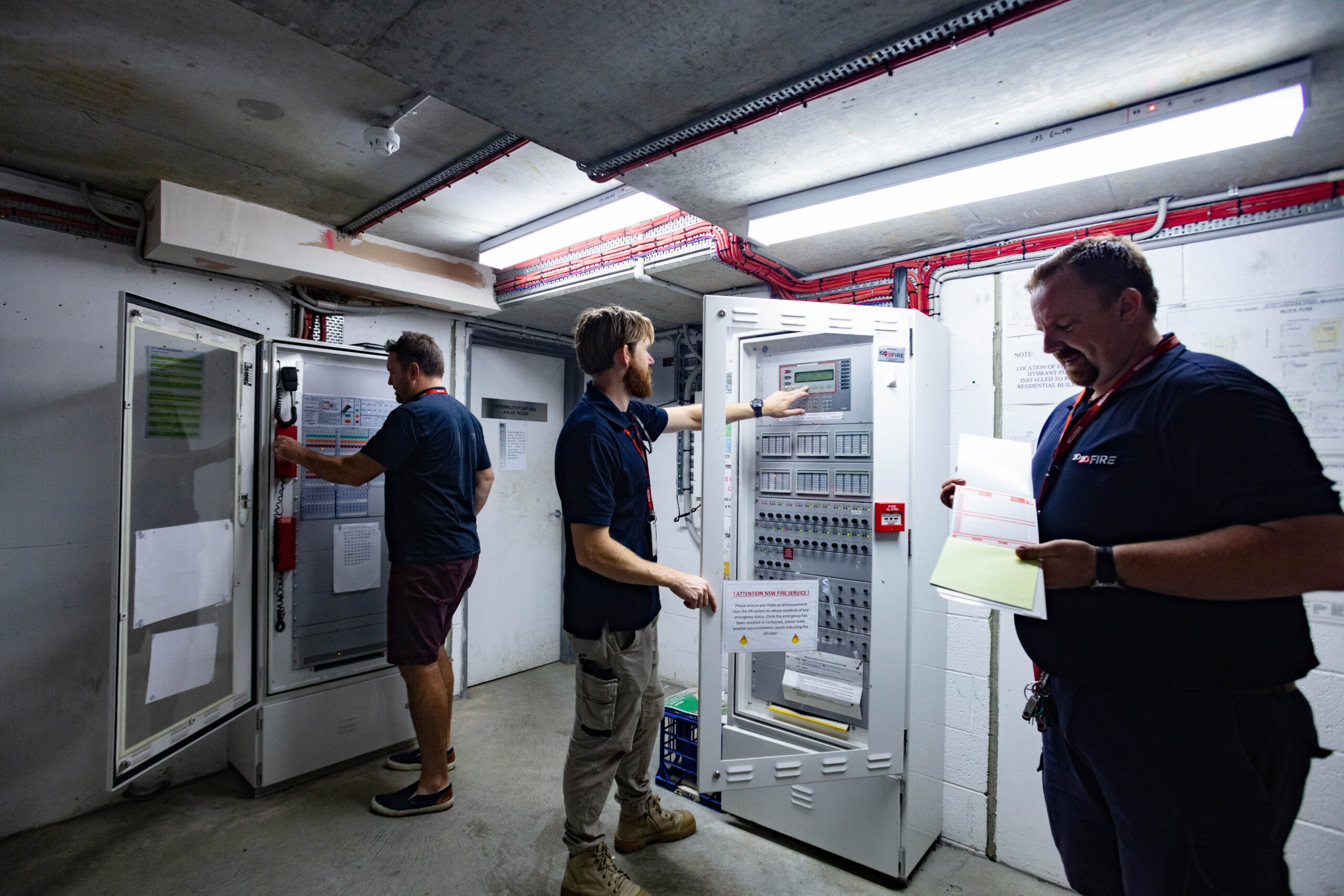
6. What frequency is recommended for professional testing of fire detection systems?
Objective: Commercial/Informational. Testing fire systems is often required monthly, six-monthly, and annually under AS 1851. Making sure your logbook is compliant for audits and that the system’s “benefit” continues to work requires regular maintenance.
7. How are false alerts minimised by these systems?
Goal: Informative. False alarms are an expensive pain. Top-tier fire detection systems employ “intelligent” sensors that assess smoke patterns, heat rise, and CO levels using algorithms. These systems are able to disregard temporary triggers, such as burned toast or forklift exhaust, without compromising safety.
8. Are there ways for fire alarms to work with other security systems in a building?
Goal: Business-related. Yes. The panel can initiate “cause and effect” sequences with a well-installed fire detection system, such as turning off the HVAC to stop the spread of smoke or releasing magnetic door holds to contain the fire.
9. What’s the typical time frame for installing a fire alarm system at a business?
Motive: Commercial. The typical time required for a fire detection system installation ranges from a few days for a small retail unit to months for a huge industrial warehouse or commercial office building. If the building is heritage-listed or otherwise difficult to wire, using wireless technology may often speed things up.
10. What would be the consequences of a power outage?
Objective: Informational. To provide you with some information, all fire detection systems that comply with regulations have backup batteries. In the case of a power outage, these batteries will ensure that the system continues to function normally for a minimum of 24 hours.
Selecting an Appropriate Fire Detection Affiliate
There is more to consider than merely the hardware when choosing an installer for a fire detection system installation. You should look for a business associate that is familiar with Australian regulations and can conduct a risk assessment tailored to your location. By avoiding “dead air” places, where smoke might not reach, and by installing your sensors correctly, you can maximise their effectiveness.
An organisation’s fire safety plan is, in the end, a long-term bet on its employees and its prosperity. Do not put off assessing your present configuration until a “near miss” occurs.