
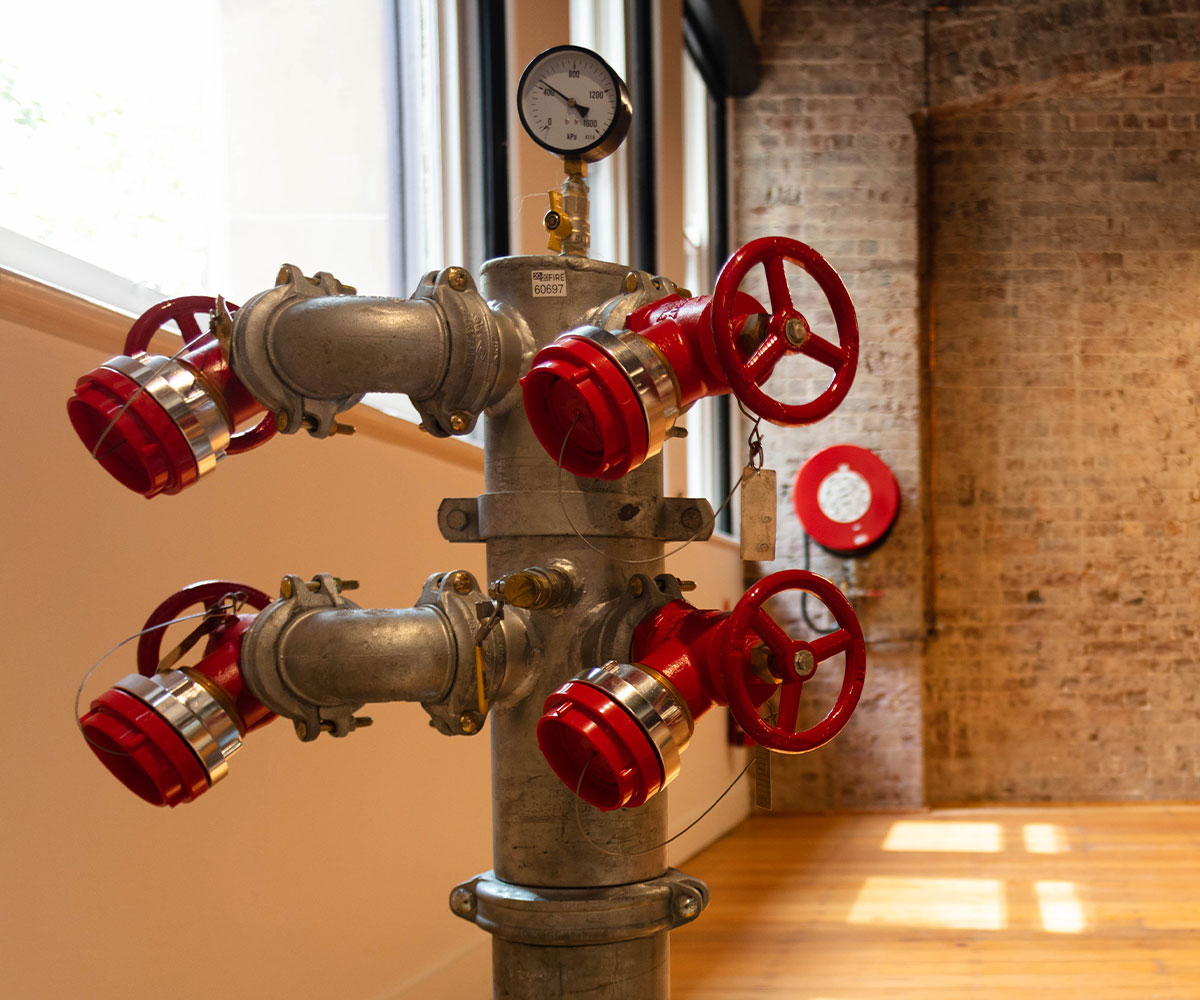
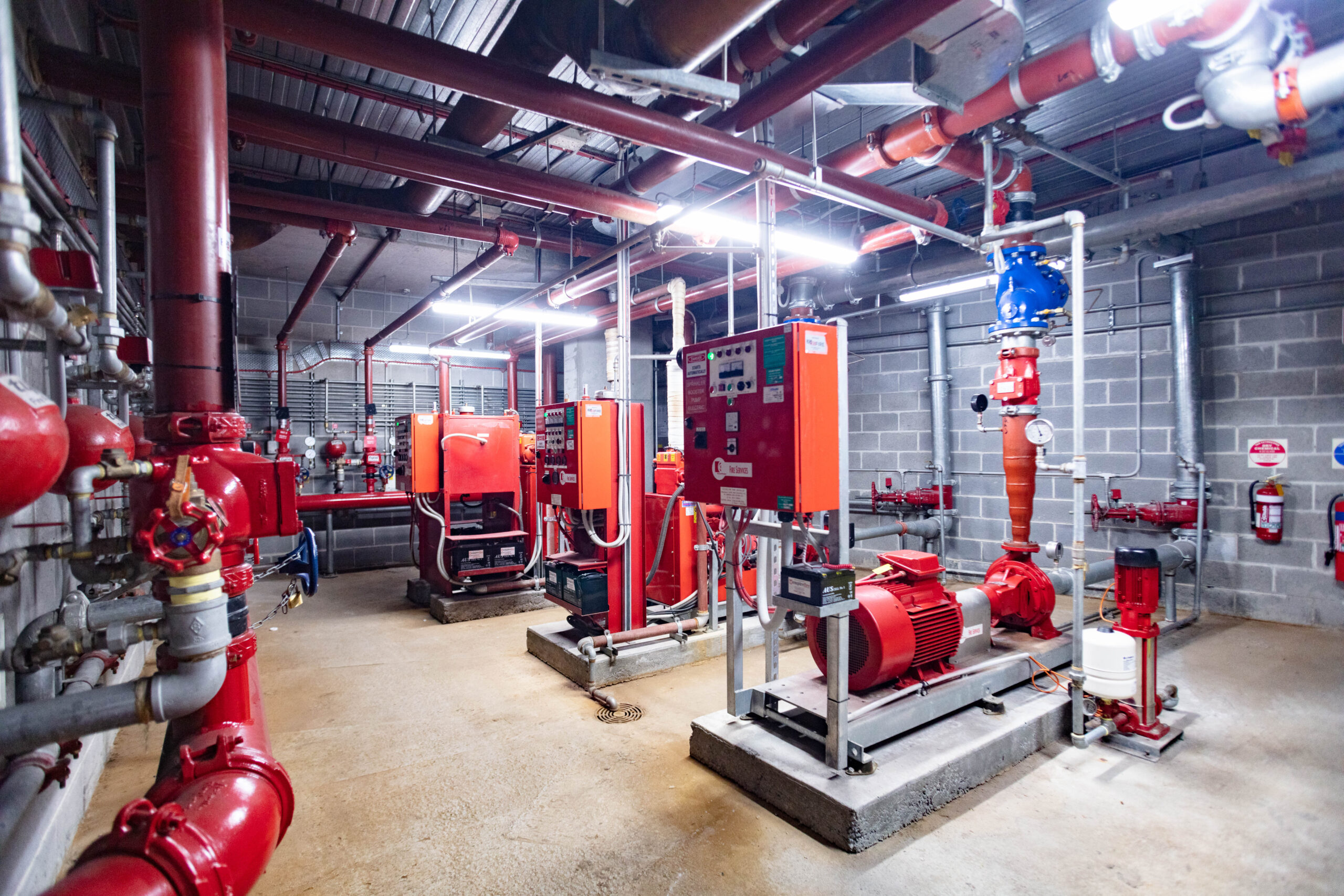




Imagine that in an emergency, a fire truck pulls up to your property, but when the firefighters connect their hoses, they find a sticky hydrant or a valve that won’t open. This terrible thing happens more often than most building owners think since they probably don’t pay attention to it. The only way to be sure that your building’s first line of fire fighting defence doesn’t fail when lives are on the line is to test the fire hydrants. Regular testing is more than just a “best practice.” It is a strict regulatory requirement of Australian Standrd AS1851-2012 that is meant to find hidden corrosion and pressure issues, sticky valves and more, before they become deadly problems. Understanding how a hydrant system works is the most important safety investment you can make this year, whether you want to follow the legislation in NSW, maintain insurance cover or just feel safe in your property.
Why it’s important to test fire hydrants on a regular basis for safety
In the realm of high-stakes safety, a fire hydrant is like a “silent guardian.” We walk by them every day, but we only really notice them when something bad happens. But using a hydrant that hasn’t been serviced is a risky move. If you are a facility manager in Sydney, the only way to make sure your “last line of defence” works is to stay ahead of fire hydrant testing to AS1851-2012.
The 2026 Regulatory Shift: Fire Protection Standards are Law
There have been a lot of new rules in the sector as we head into 2026. Most importantly, the “best practice” guidance from the past is now the law. In NSW, following AS 1851-2012 is now required. This means that licensed or accredited professionals must professionally undertake and record your hydrant flow tests, hydrostatic test and more to ensure you avoid fines and potential loss of insurance.
Questions About Testing Fire Hydrants
1. Why is it vital to examine fire hydrants on a regular basis?
Testing ensures that the machine works. Valves might get stuck and piping can rust over time. Frequent testing of the fire hydrant system to AS1851 finds these “hidden failures” before fire brigades get there to ave lives and property. You are directly investing in life safety by making sure that the system produces the right amount of pressure and flow to put out a fire.
2. By law, how often should fire hydrants be checked?
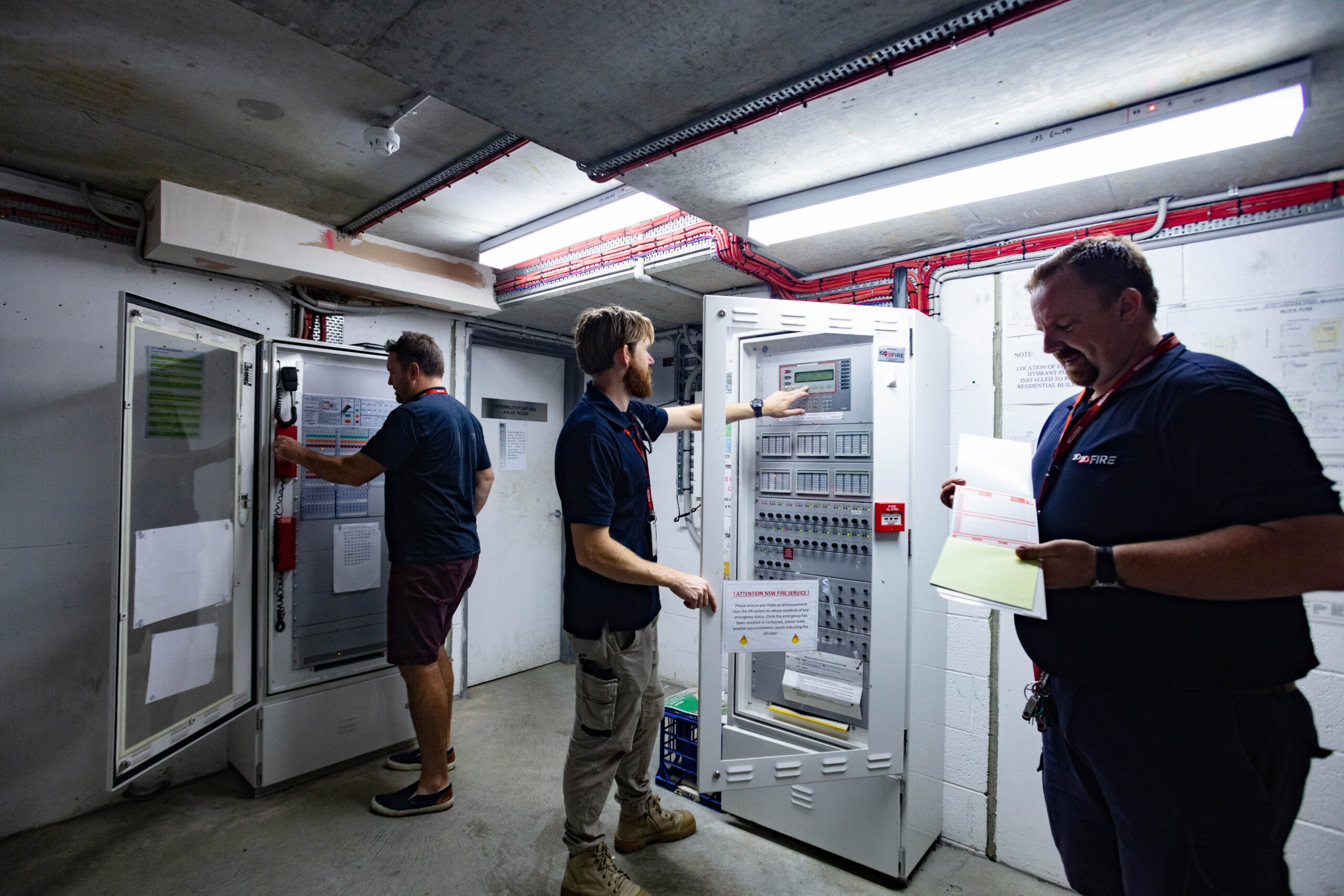
Under AS1851-2012, fire pumps are tested once a month, all valves checked 6 monthly, presence of water checked at all valves annually, and a full flow test of the fire hydrant done once a year. Also, every five years, a “hydrostatic” or stress test is required to make sure the pipes are still strong and will hold pressure when boosted by the brigade in an emergency situation. To stay within the law, you must follow these test guidelines.
3. What happens if you don’t test a fire hydrant?
When hydrants are not taken care of properly, their valves can get sticky, pipes rusted on the inside, pumps stop producing pressure and more. If you don’t test the flow of your hydrants, your system could fail during a fire, your insurance claims could be denied, and maybe worse outcomes if someone was to die as a result of the fire department not being able to get water.
4. How can I tell if a fire hydrant has been checked?
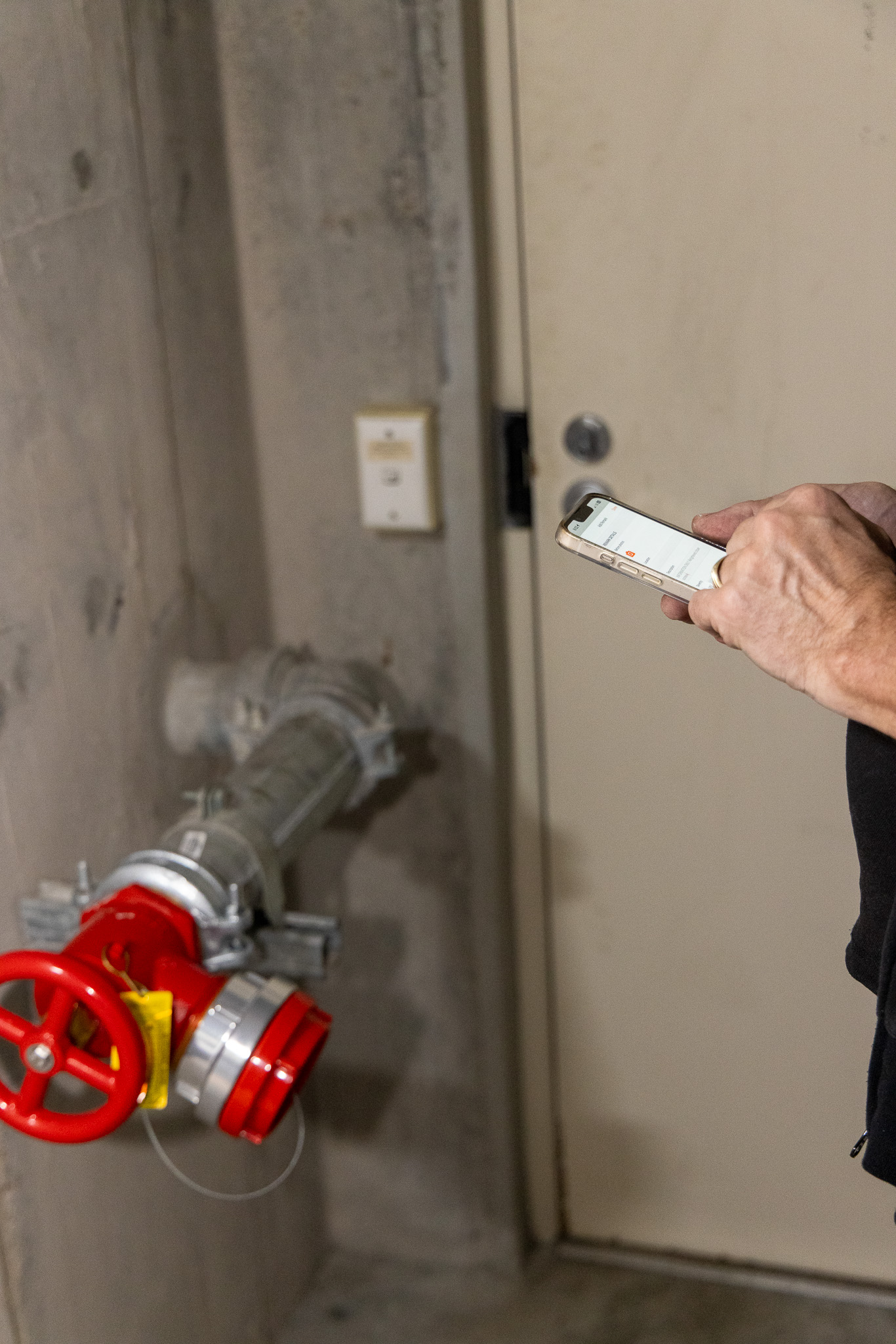
A metal service tag or a sticker that can withstand the elements should be on every compliance hydrant showing when it was last tested. Logbooks on the major equipment like pumpsets will outline test results, testing technicians, flow test results and more.
5. How does a flow test differ from inspection and testing of the valves?
Testing hydrants 6 monthly and annually is looking for operation and presence of water, but not the volume or pressure of that important fire-fighting water. Testing the flow and pressure of a hydrant system, on the other hand, is an active “wet” test. Special testing assemblies and calibrated gauges are used by technicians to find out the real flow and pressure of water to compare against the system requirements. You can’t tell if a hydrant is working merely by looking at it; you have to see the water flow and pressure and that is unique to every property.
Hydraulic theory means for every 1 metre high the building rises, you need 10 Kilopascals (kPa) of pressure. An 80 metre high building would need 800kpa just to get water to the roof and the fire brigade needs 700kpa at the hydrant valve to fight fires effectively, so the flow and pressure testing will prove that we have (700 + 800 =) at least 1500kPa at the bottom to get the 700Kpa out of the valve at the top.
6. Who is in charge of testing fire hydrants on private property?
If the hydrant is on your property (such a shopping centre, warehouse, or other business), the building owner is one responsible for it. The water authority takes care of street hydrants, but if you have a private system, you’ll need to hire a professional to handle your fire protection maintenance and Annual Fire Safety Statements.
The Importance of Professional Hydrant Flow Testing
A technician doesn’t just turn a wheel when they do a fire hydrant flow test. They are gathering data to compare with the baseline requirements. You can use this information to see how the building’s current performance compares to how it was originally designed. If your hydrant flow testing indicates a lower pressure than in prior years, it could be a symptom of a leak, closed valve, degraded pumpset or a failing water main.
Following the fire protection maintenance procedures in AS1851-2012 means you’re putting fire hydrant testing first today: safety is a habit that you do ahead of time, not a remedy that you do after the fact.