


Fire Safety Budget Guide – What Managers of Property Need to Plan For
A practical planning tool for Building, Facility, Strata Managers and Committees preparing annual and 10–year sinking fund building budgets.
When a building’s fire safety budget is a single number, something usually gets missed.
We’ve been servicing fire systems across NSW for years and the pattern is consistent. A building runs its annual test. The AFSS gets lodged. And then something turns up throughout the year that wasn’t expected and wasn’t in the budget – a 5-year pump overhaul, a stack of unresolved building defects, or a fire detection system that’s at end-of-life and overdue for replacement.
None of these are surprises. They’re just things that get easier to manage when they’re planned for in advance. As an experienced contractor with decades of asset data, we know what’s definitely coming, we know what’s likely to occur and we can help you plan!
This guide breaks fire safety spending into six categories. Not all of them will apply to every building but running through them before each budget season means fewer unexpected costs and a cleaner path to AFSS lodgement.
1. Annual Fire Safety Servicing
Your baseline – the contract that runs every year
Start with the Fire Safety Schedule. Every system listed on it needs a contractor appointed to service it. This sounds obvious, but gaps are common – especially in older buildings or where management has changed hands.
Systems that should have active service contracts:
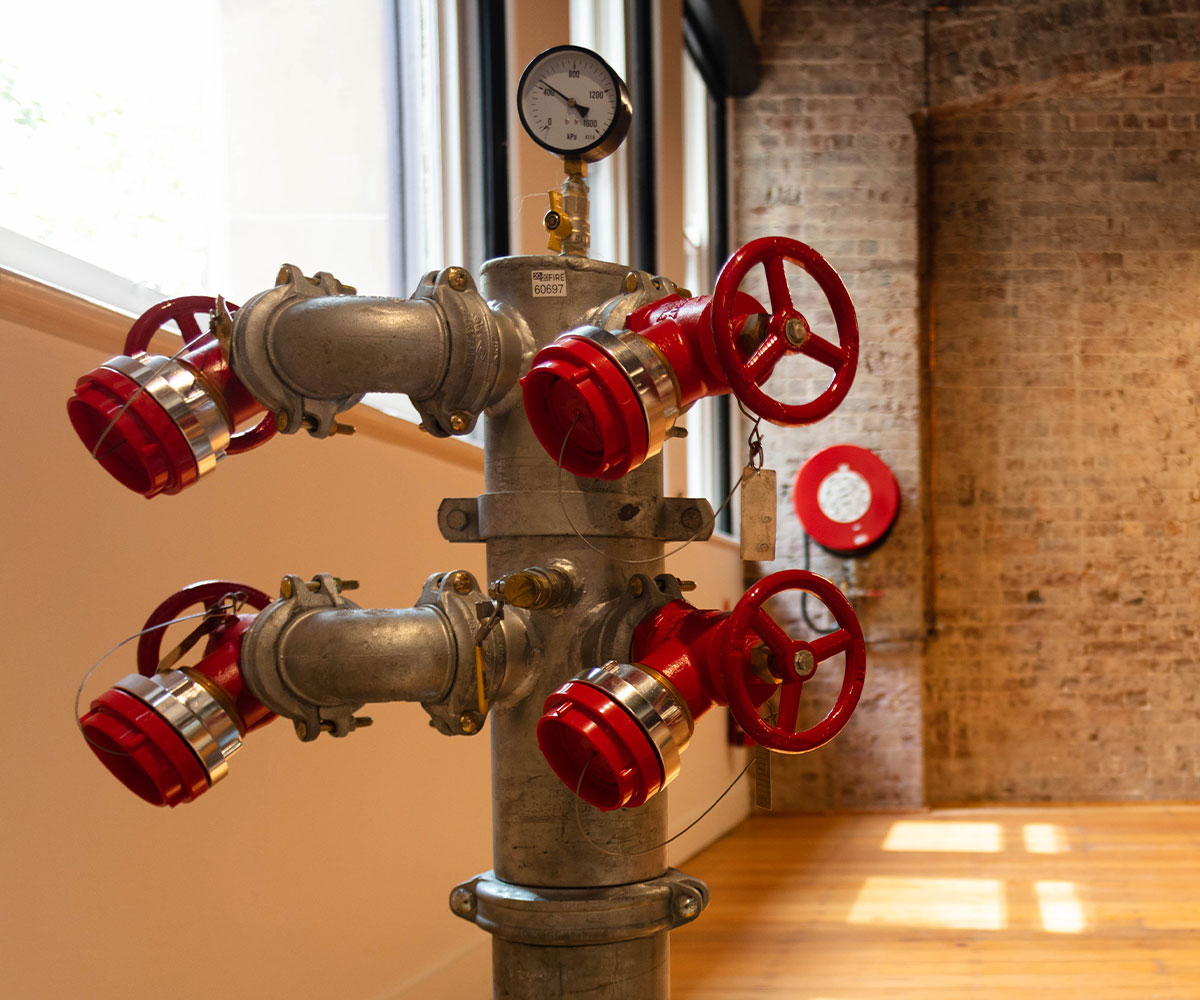
- Wet fire systems – sprinklers, hydrants, hose reels
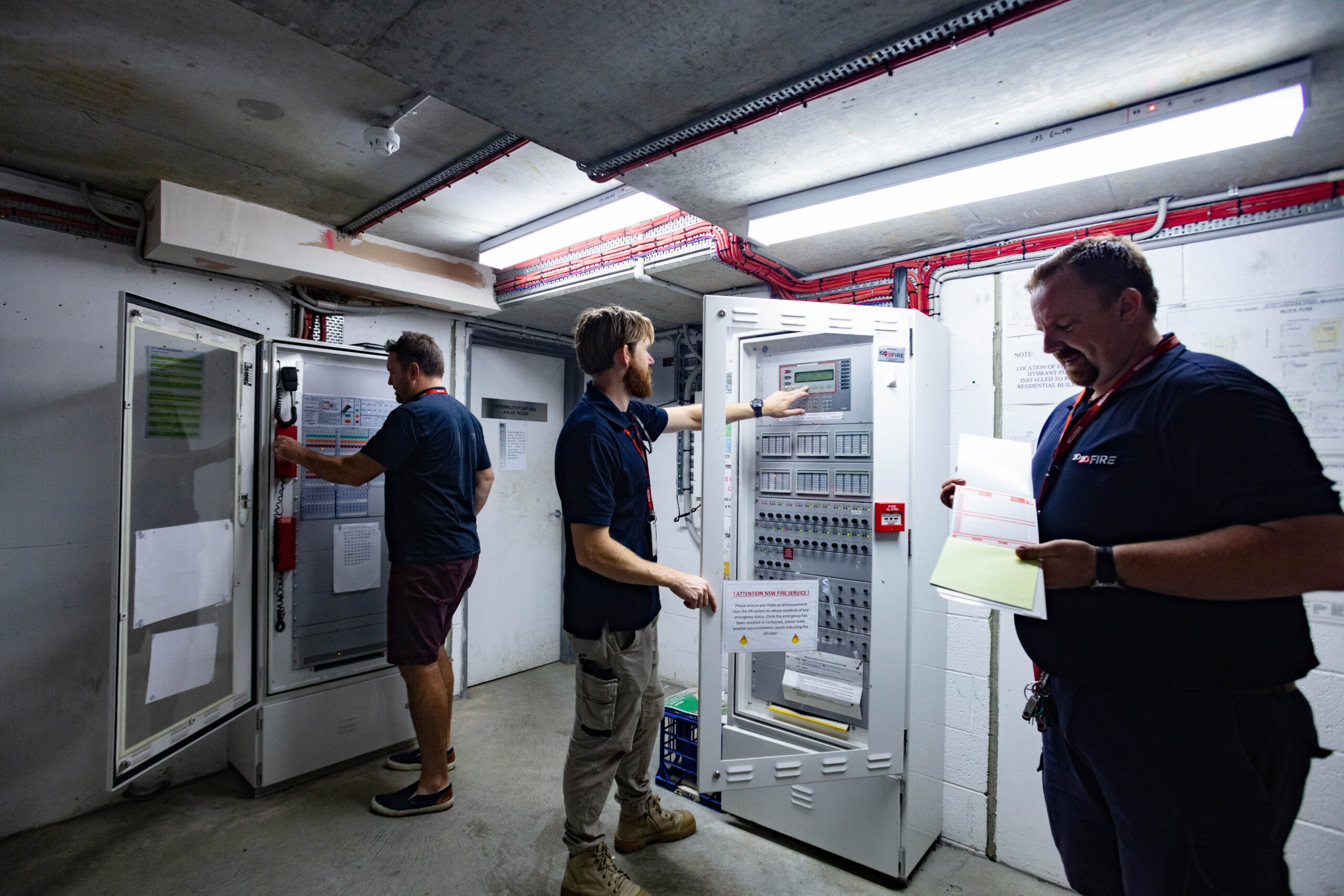
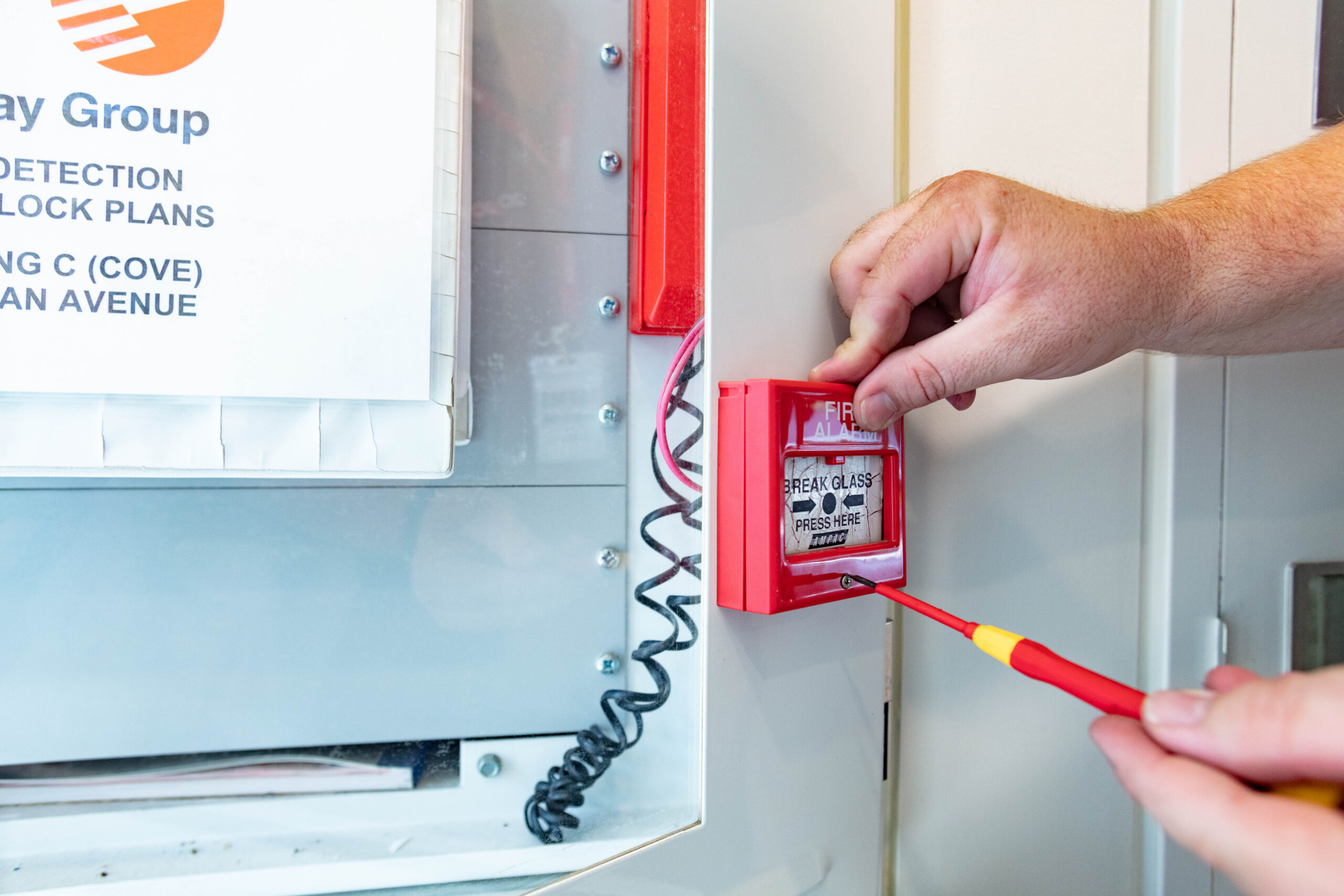
- Dry fire systems – detection, alarms, fire indicator panels
- Emergency lighting and exit signs
- Mechanical smoke control and ventilation systems
- Fire doors and passive fire elements
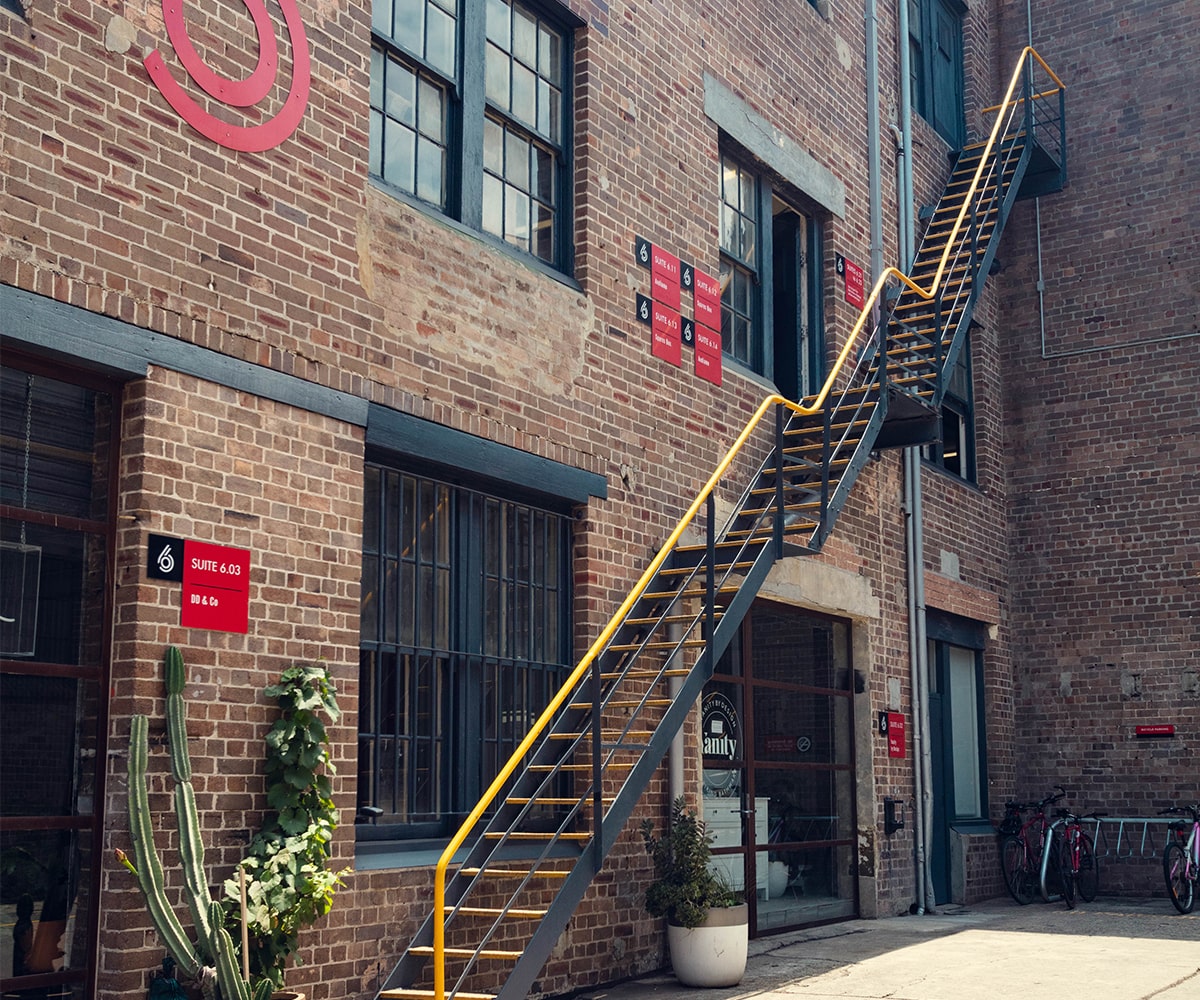
- Paths of travel and egress
- Evacuation plans and warden training
- Backflow prevention devices and testable valves
- AFSS coordination and fire safety compliance oversight
Two things worth checking:
- Does your service contract cover every system on the Fire Safety Schedule, or are there gaps?
- Are periodic inspections (5-year, 10-year) included in the contract price, or will they be quoted separately when they fall due?
Try using 2020 Fire Protection’s easy AFSS & Accredited Practitioner Checklist located on our site here: https://2020fireprotection.com.au/documents/
2. Periodic Testing — The Costs That Catch Buildings Off Guard
Major inspection cycles required under AS1851
This is the category most likely to cause a budget problem.
Under AS1851, a range of fire systems require major inspections at set intervals – 5 years, 10 years and 25 years. These aren’t part of the standard annual servicing. They’re separate works, they take more time, and they cost more. If a building hasn’t tracked when these are due, the cost lands without warning.
Systems with periodic inspection requirements include:
- Sprinkler systems
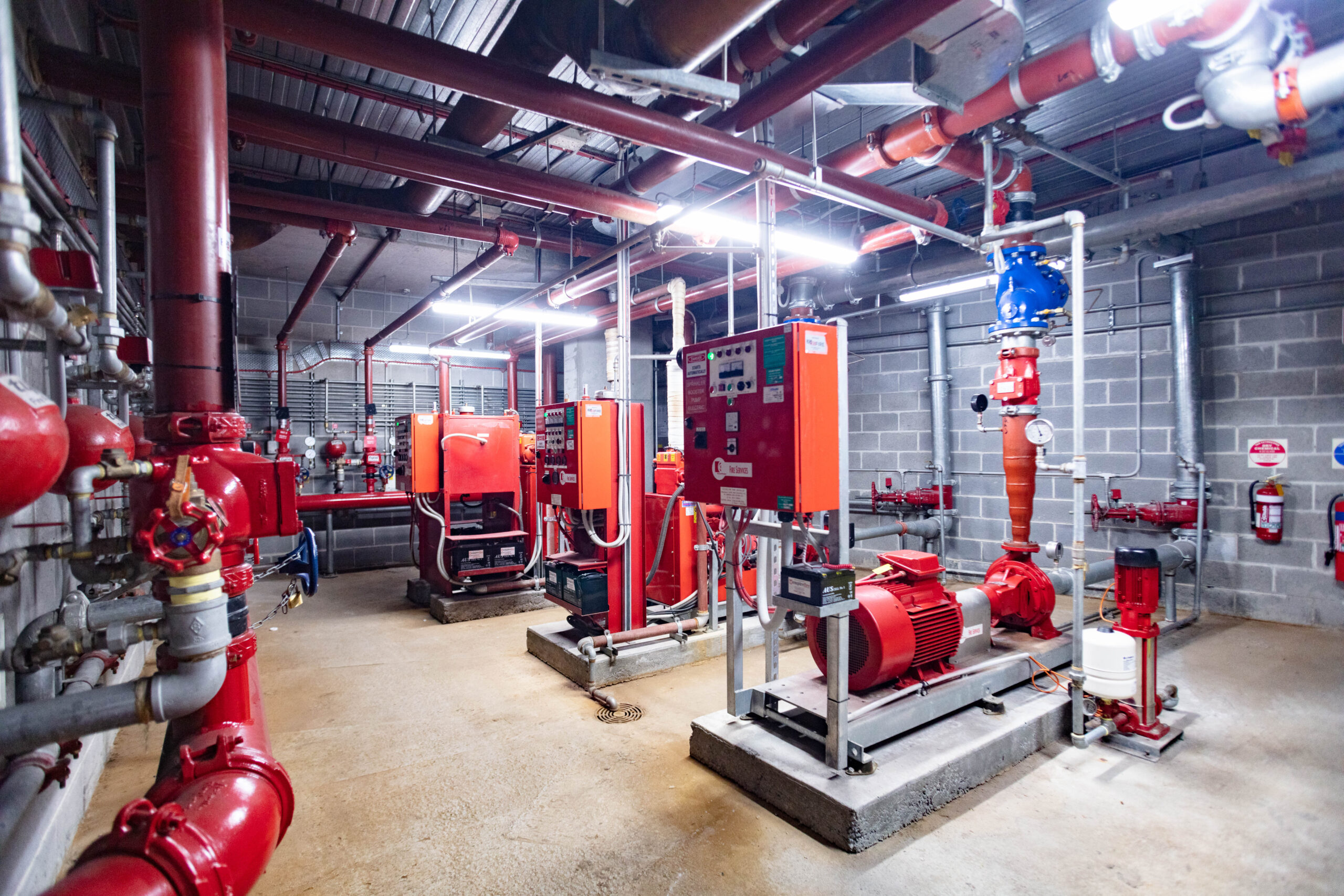
- Fire pump sets
- Hydrant systems
- Fire water storage tanks
- Fire detection and alarm systems
- Special hazard systems
- Fire extinguishers
- Smoke control and mechanical fire services
The most practical starting point is your most recent fire safety inspection report. It should identify which periodic routines apply and when they’re likely due. If that information isn’t there, we can help work backwards from service records to estimate timing.
How to handle these in the budget:
- More than 12 months away → include in the Long-Term Maintenance Plan so funds are accumulated gradually
- Due in the coming budget year → include a specific allowance in the administrative budget – don’t leave it unbudgeted
3. Defect Rectification
Clearing what’s been identified – before it becomes a bigger problem
Most inspection reports include a defect list. The question for budget planning is, how much of it is funded?
AS1851 sets the expectation clearly – critical defects should be addressed immediately and non-critical defects before the next annual inspection. In practice, older defects can sit on the list for years if they haven’t been budgeted for.
- Check whether critical defects from the last report have been closed out
- Set aside a budget allowance for non-critical and non-conforming items
- If defects are carried over from previous years, prioritise them in this budget
If a committee can’t fund everything at once, a risk-based approach can help prioritise – weighing the likelihood of a system failure against the consequence if it doesn’t perform when needed. We can assist with that conversation if it’s useful.
A note on timing
Levy income typically comes in quarterly. If urgent rectification is needed early in the financial year, that income may not yet be available. Committees sometimes need to consider special levies or short-term financing to avoid delaying safety works.
4. Independent Fire Safety Inspections
A full-picture view of where your building actually sits
An annual service contract confirms systems have been maintained. An independent inspection confirms whether the building is actually compliant and flags what isn’t.
The two aren’t the same thing and buildings that rely solely on the service contractor’s report sometimes find compliance gaps when the AFSS comes around.
A thorough independent inspection covers:
- All wet and dry fire systems against AS1851 requirements
- Emergency lighting and exit signs
- Fire doors, penetrations and passive fire elements
- Mechanical smoke control systems
- Pump sets, tanks and water storage
- Egress paths and path-of-travel compliance
- A clear defect schedule with priority ratings
- High-priority issues – budget for rectification in the current period
- Medium-priority issues – include in planning and prioritise alongside other works
5. System Upgrades and Rectification Works
Planned works beyond the scope of routine servicing
Some buildings have systems that need more than servicing – they need upgrading, replacing or rectifying. This is especially common in older buildings where systems have reached end of life or where compliance expectations have shifted.
Works in this category commonly include:
- Fire door repairs and replacements
- Sprinkler head or component replacement
- Detection and alarm system end-of-life upgrades
- Emergency lighting and exit sign replacements
- Pump refurbishment or replacement
- Passive fire penetration and compartmentation sealing
Budget preparation doesn’t require a firm quote at this stage. An indicative estimate is enough to establish a budget allowance. Competitive quotes can be sought once the budget is set and works are approved.
For higher priority works, consider whether levy income will cover the cost in the required timeframe and, if not, plan accordingly with special levies or financing.
6. AFSS Preparation and Lodgement
Planning around your compliance deadline — not just for it
The Annual Fire Safety Statement must be lodged with Council and NSW Fire and Rescue every year. But the AFSS itself is just the end point, the work that makes it possible needs to happen well before it.
Buildings that plan around the AFSS lodgement date, rather than just for it, tend to have fewer last-minute issues, lower emergency costs, and a cleaner compliance record.
- Identify the AFSS lodgement date and work the servicing schedule backwards from it
- Ensure all required testing and inspections are completed before lodgement
- Allow budget for any rectification needed to get to a lodgeable standard
- Confirm an Accredited Practitioner (Fire Safety) is engaged and scheduled
Worth knowing
- An AFSS cannot be issued until all essential fire safety measures are confirmed as performing to the standard of performance listed.
- Open defects or incomplete testing routines can delay lodgement, creating compliance exposure for the building owner
- Rectification done under time pressure almost always costs more than rectification that was planned for
- Building defects in new buildings can play a part in delaying the AFSS. Don’t put off the hard conversations with the developer and builder if they exist. Why should you take the risk when their bad workmanship is impacting safety in your building?
A note on pricing
You don’t need precise quotes to set a budget. A ballpark from your incumbent contractor or a rough estimate based on similar past works is usually enough to get an allowance into the budget. Once funding is in place, proper quotes can be obtained before anything is approved to proceed.
Final thought
Fire safety works are rarely cheaper when they’re delayed. Inflation moves. Systems deteriorate. And the further a building falls behind on compliance, the more it costs to catch up. Your property is likely an expensive, long-term investment. Budgeting for known costs and timing helps you maintain that investment value.
The buildings that manage this well aren’t doing anything complicated. They’re just looking at the full picture when the budget is being set, not just the annual service line, and making sure the known costs are accounted for before they arrive.
If you’d like help working through any of these categories for a specific building, we’re happy to assist.
Download a copy: