




LEVs & Lithium-ion Batteries: A Growing Risk
It’s widely known that the rise in battery powered transport like e-bikes, e-scooters and e-skateboards has exploded since the turn of the decade. The rapid growth of these devices has created a gap in government regulation and an inability to enforce it. Due to this, a range of safety implications, including fire risk, increase substantially.
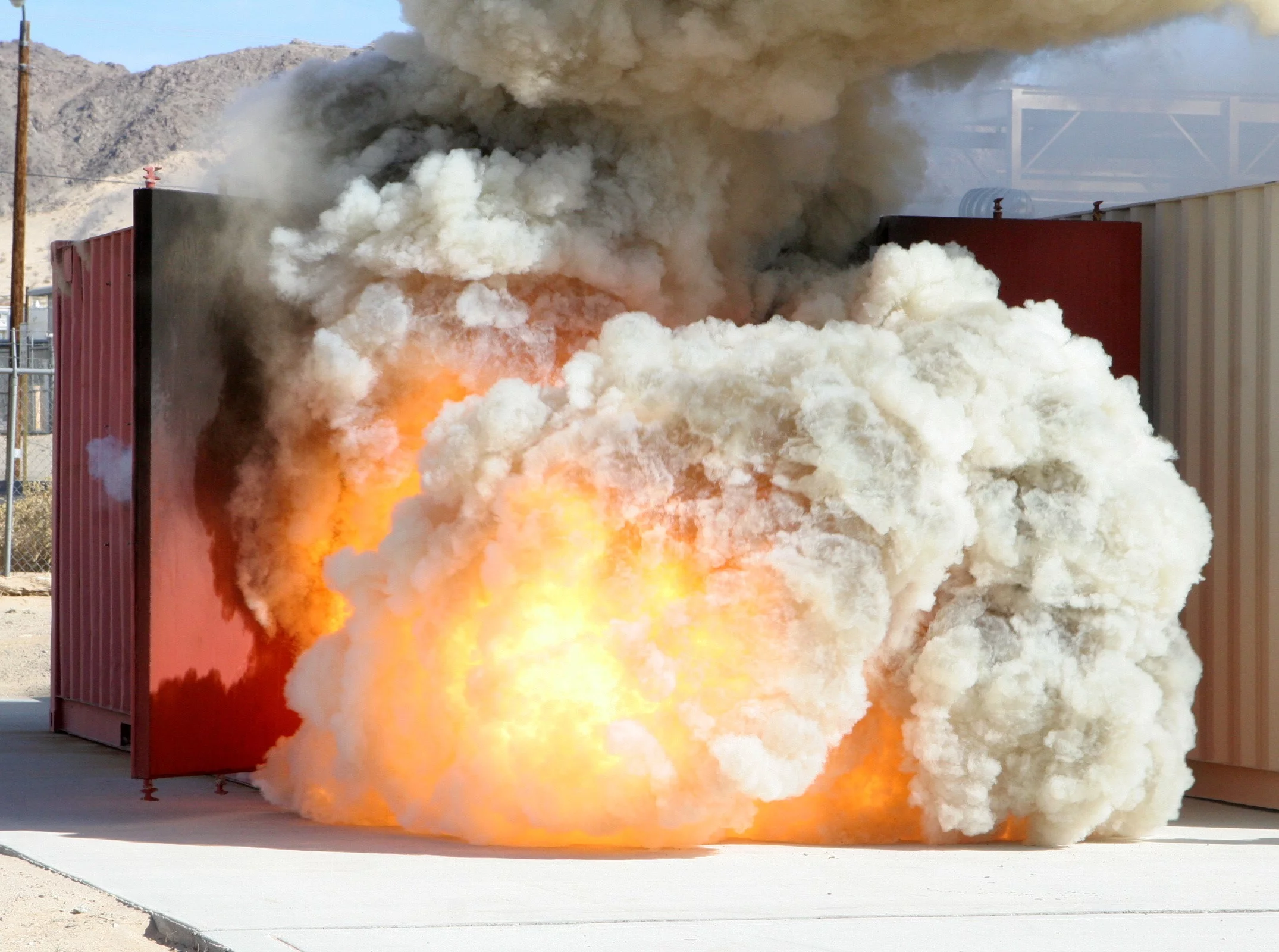
CSIRO and UL research show that in the 1950’s, a fire in your home would take about 30 minutes to escalate from ignition to flashover but in a modern furnished room, this drops to a mere 3 minutes. NFPA ad-hoc testing has shown that if the source of the fire was a Lithium-Ion powered mobility device, the time from ignition to flashover may drop to as low as 30 seconds…
As a consumer, what should I look for?
If you or someone you know, owns any form of light electric vehicle (LEV), it is important to understand the potential hazards that can arise during ownership.
Fire & Rescue NSW list these situations as the most common cause for an incident:
- Overcharging or use of non-compliant charging equipment
- Overheating or exposure to heat or extreme temperatures
- Damage (e.g. due to dropping, crushing, piercing, and/or vibrations)
- Short-circuiting, battery cell malfunctions or system faults
- Defects or contamination introduced during manufacture
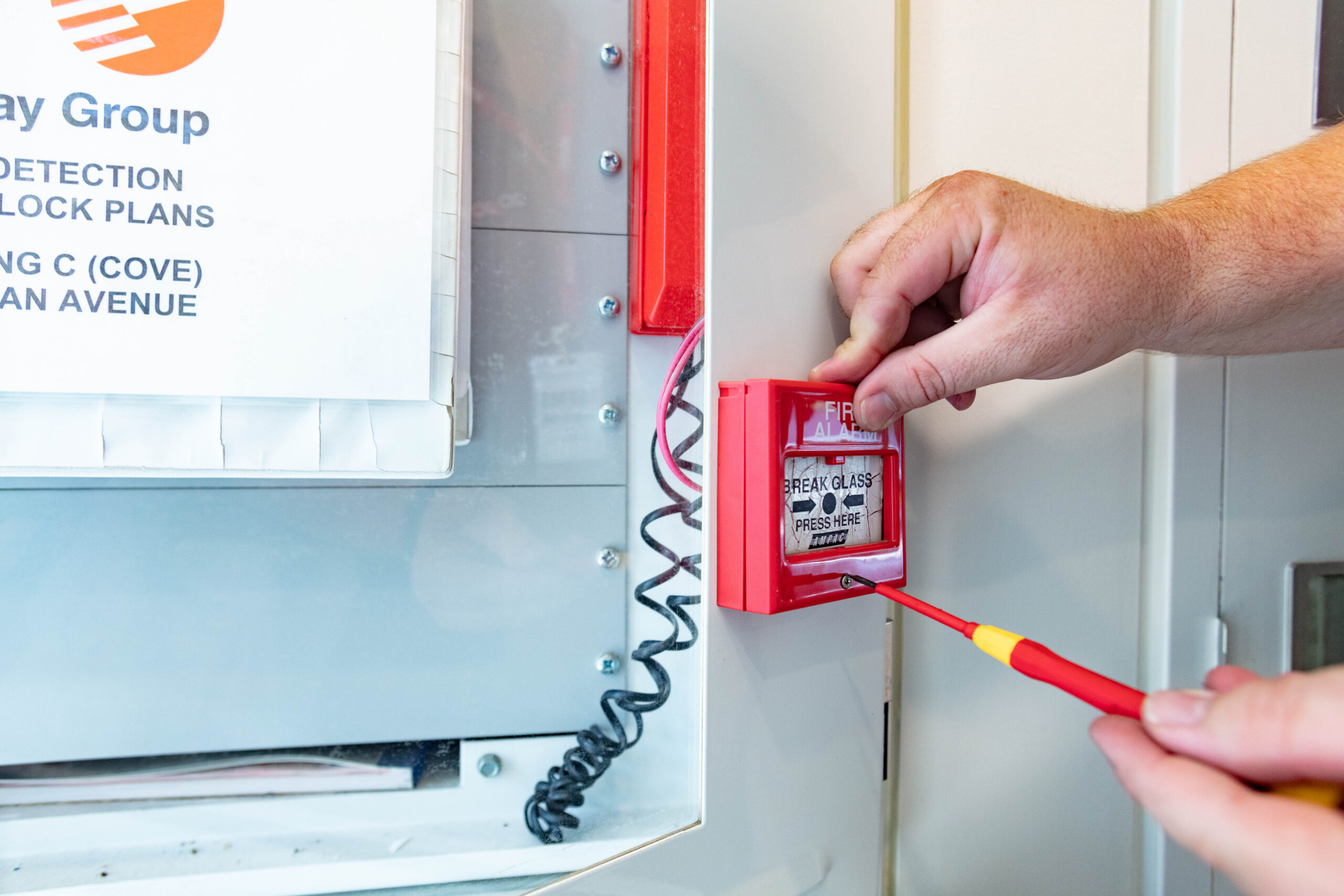
Aside from all the above, make sure you have working smoke alarms in all locations between living and sleeping areas to give the best chance of survival!
Maintaining Safe Use
Completing regular checks on your LEV is an important part reducing risk. The National Fire Protection Agency (NFPA) produced a list of safety tips that help define what you must insure:
- Do not store e-bikes, e-scooters, and batteries in your living space and keep them far away from exits and anything that can could catch fire.
- Only purchase and use devices, batteries and charging equipment that are listed by a nationally recognized testing lab and labelled accordingly.
- Always follow the instructions from the manufacturer.
- Only use the battery and the charger that were designed for, and came with, the device.
- Do not keep charging the device or device battery after it is fully charged.
- Only charge one device or device battery at a time to prevent overloading the circuit.
- Keep batteries at room temperature when possible. Do not charge them at temperatures below 0°C or above 40°C.
- Do not store batteries in direct sunlight or inside hot vehicles and keep them away from children and liquids.
- Only have device repairs performed by a qualified professional.
- Do not put lithium-ion batteries in the trash. Recycling is always the best option. Take the batteries to a battery recycling location or contact your local waste department for disposal instructions.
If you ever experience any signs of battery malfunction or damage, including a strange odour, change in colour, unusual amounts of heat, bulging, or not holding change, you must stop use immediately. Locate your nearest LEV repair shop and organise an inspection or repair. It is important that a qualified professional carries out any maintenance on your vehicle and conducting repairs by yourself is strongly advised against.
Any information referenced can be found in the resources linked below:
https://www.nfpa.org/forms/e-bike-fire-safety
https://www.fire.nsw.gov.au/fire-safety/home-fire-safety/battery-and-charging-safety
https://www.nfpa.org/education-and-research/energy-transition/lithium-Ion-batteries
How a Fire Occurs
Electric bicycles (e-bikes), electric scooters (e-scooters) and self-balancing scooters (hoverboards), known as ‘micromobility’ devices or ‘light electric vehicles’, most commonly use Lithium-ion batteries as a power source. The issue arises when one of these units experiences a ‘thermal runaway’, a fast, unstoppable chemical reaction in where an internal temperature spike causes the ignition of one cell, leading to the propagation of the surrounding cells, due to them being tightly packaged within the housing. This often results in a high-powered expulsion of hot, flammable gases and material.
Alarming Facts
A study by the Fire Safety Research Institute found that an overcharged micromobility battery can escalate to its peak heat release rate just 13 seconds after the first measurable increase. For comparison, an upholstered chair, in the same setting, would take around 2-3 minutes.
Additionally, in the setting of a closed bedroom, the windows failed after just 12 seconds since the first sign of smoke appeared from the vehicle.
Due to the volatile nature of these fires, there is often no chance of de-escalation. Individual attempts at stopping a fire are strongly advised against, with immediate evacuation and professional emergency attention being recommended.
Implications
Due to the varying nature of ownership, a range of different factors dictate risk. In 2025, Alliance reported that claims made on 33% of lithium related house fires were caused by e-bikes and e-scooters. Location of storage is noted as one of the most important areas of risk reduction.
However, for large demographics of owners (specifically in urban areas), storing an LEV externally is not an option. The risk of having the mode of transport stolen or damaged poses a threat to many that rely on LEVs for transport or employment.
This has a direct knock-on effect, as many LEVs are resultingly stored in hallways, fire exit routes or confined dwellings. Many do not have the geographical or monetary means to change this.
Personal liability and education on the topic are lacking. Many owners are not fully aware of the risk factors that contribute to a fire occurring. Being aware of, and able to identify risks (such as a bulging battery or overcharging) is vital to increasing safety in confined or restricted areas of residence.
Due to the fast-paced nature of the industry, policy and enforcement are trailing behind. Many conversion kits are readily available online, from a range of different suppliers and manufacturers. Access to ownership and an under involvement in manufacturing practices, along with maintenance, pose a significant threat.
Where to go from here?
Until global manufacturing standards and government regulations catch up to the sheer volume of LEVs on our streets, the burden of risk management falls heavily on you, the consumer.
Mitigating this threat requires a proactive approach to ownership. This means prioritizing certified products over cheap conversion kits, strictly adhering to charging guidelines, and advocating for safer storage solutions within communal or urban living spaces. If a battery shows any signs of wear, physical damage, or malfunction, it must be treated as an immediate hazard. Sourcing a qualified technician for regular maintenance and repairs is not just a recommendation, it’s a necessity.
Sharing of information is great way to keep others informed and increase general awareness around the topic, so do your bit. Safe riding!
All articles and documents referenced in this post:
https://www.fire.nsw.gov.au/fire-safety/home-fire-safety/battery-and-charging-safety
https://www.nfpa.org/forms/e-bike-fire-safety
https://www.sciencedirect.com/science/article/pii/S1364032122003793
https://www.allianz.com.au/about-us/media-hub/lithium-battery-fires.html
https://www.nfpa.org/education-and-research/energy-transition/lithium-Ion-batteries
https://ulse.org/insight/news-how-riders-are-unknowingly-raising-battery-fire-risks-e-mobility/