


Not long ago, the annual fire safety sign-off in New South Wales was a relatively informal process. A building owner could engage a “competent fire safety practitioner” a term that in practice meant almost anyone the building owner deemed competent and have them sign-off the Essential Fire Safety Measures. In some cases, owners signed their own statements.
Those days are over, and for good reason. A succession of reviews, triggered in part by cladding failures and high-profile building defects, coroners court reports and Fire & Rescue NSW investigations exposed how inconsistent the old approach had become. In response, the NSW Government recognised the Fire Protection Accreditation Scheme (FPAS), administered by Fire Protection Association Australia. Today, only a qualified and Accredited Practitioner (Fire Safety) an AP(FS) can perform the assessments that underpin an Annual Fire Safety Statement.
Here is what that means for managers and building owners.
Why the scheme changed
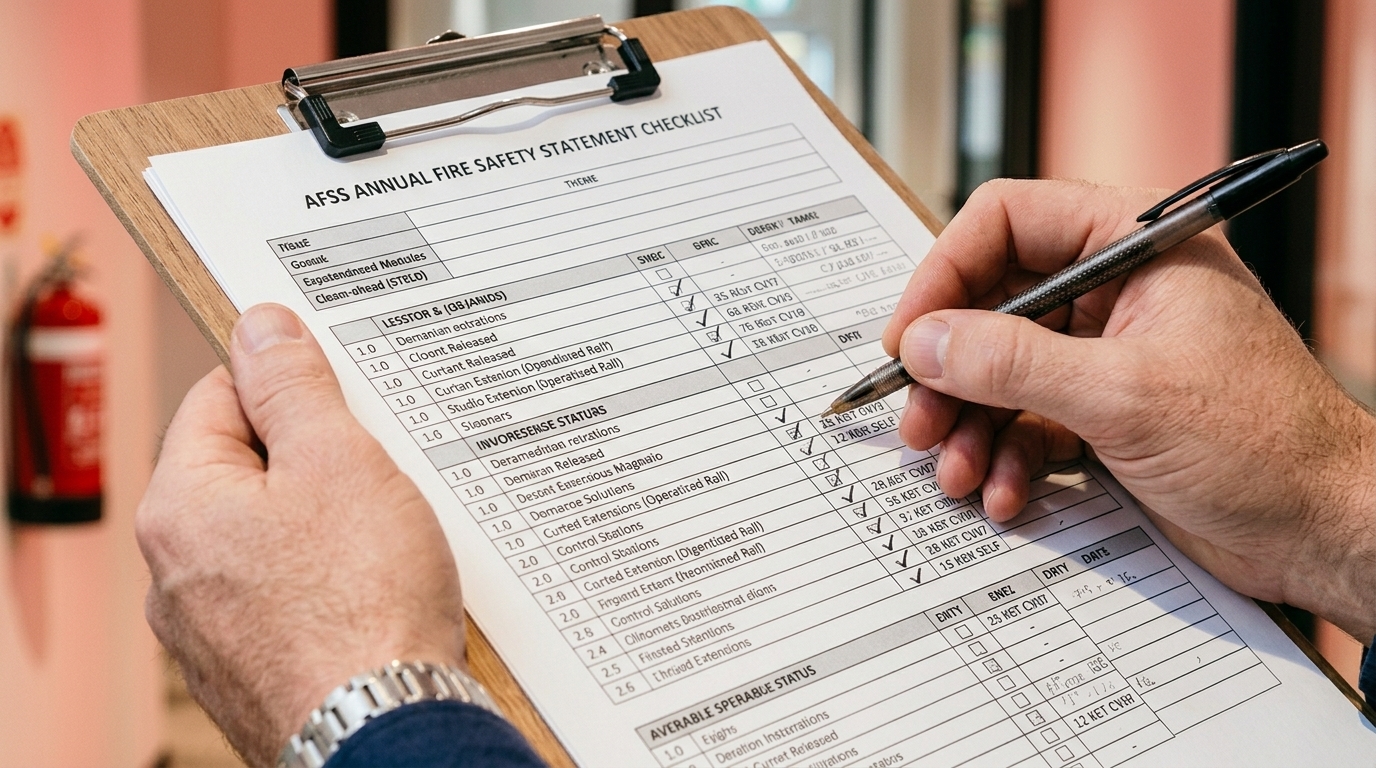
An AFSS is the owner’s formal declaration that each Essential Fire Safety Measure on their building’s Fire Safety Schedule has been inspected, assessed and was found capable of performing to the standard of performance it was designed for. That is a serious claim, and when things go wrong a sprinkler that fails to activate, an exit door that does not close, a smoke alarm that doesn’t operate people can be hurt or killed.
Before the reforms, there was no consistent way to be confident the person making that declaration had the competence to back it. FPAS imposes three things that were previously missing: clearly defined scopes of practice, mandatory qualifications and experience, and a public register.
What FPAS accreditation actually involves
To hold AP(FS) accreditation, a practitioner must:
- Demonstrate qualifications relevant to the class of fire safety measure they assess
- Provide evidence of practical experience, assessed against FPAS criteria
- Maintain continuing professional development each year
- Carry appropriate professional indemnity insurance
- Abide by a code of professional conduct, enforceable through FPA Australia
Accreditations are issued by class for example, fire detection and alarm systems, emergency planning, sprinkler systems, and so on. A single practitioner rarely holds every class, which is why most larger buildings require a provider with multiple AP(FS) on staff, or a coordinated team of specialists. 2020 Fire Protection is an exception with a number of Practitioners holding all 36 statutory measures of accreditation.
Why owners can no longer self-endorse
The legal principle behind the reform is straightforward: the person making a technical judgement about life-safety equipment should be qualified to make it. An owner with no fire protection training is not well placed to say whether a smoke control system meets its design performance. Nor is a general handyman, regardless of experience.
Under the Environmental Planning and Assessment Regulation 2021, any person who assesses an Essential Fire Safety Measure for the purposes of an AFSS must be accredited under a recognised scheme and FPAS is the only recognised scheme in NSW. The owner still signs the AFSS and is wholly responsible. But the technical assessments that make it valid must come from an AP(FS). For the NSW Government’s own overview of fire safety certification and AFSS requirements, see the NSW Planning Portal – Fire Safety Certification page.
How to verify your provider
FPA Australia maintains a public register of accredited practitioners. Before engaging any provider, you can and should search the register to confirm the AP(FS) is current, check which classes they are accredited for, and confirm the accreditation covers every Essential Fire Safety Measure on your Fire Safety Schedule. A provider who cannot produce FPAS credentials covering your building’s measures is not a lawful provider for your AFSS.
What an AP(FS) actually does
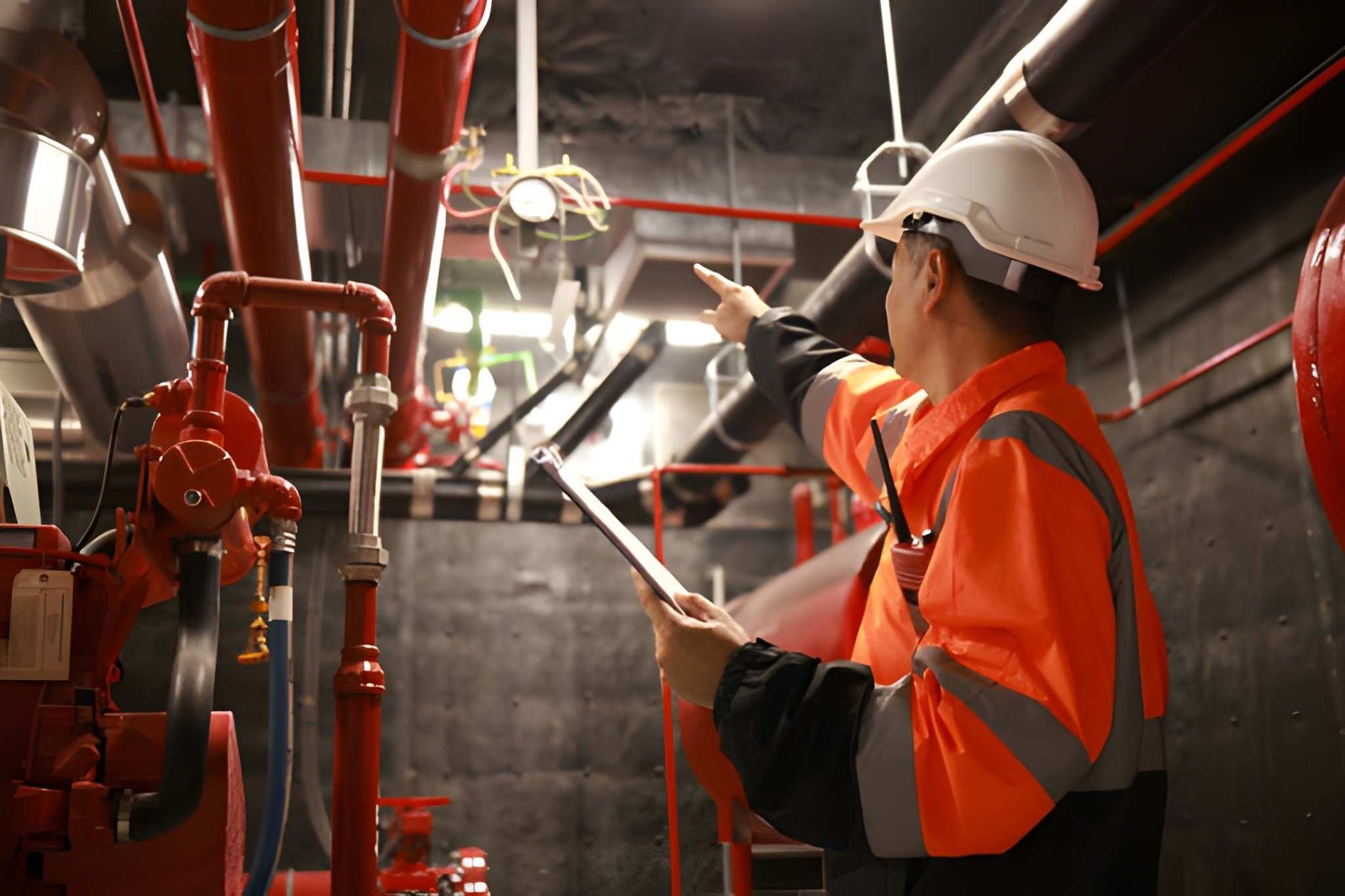
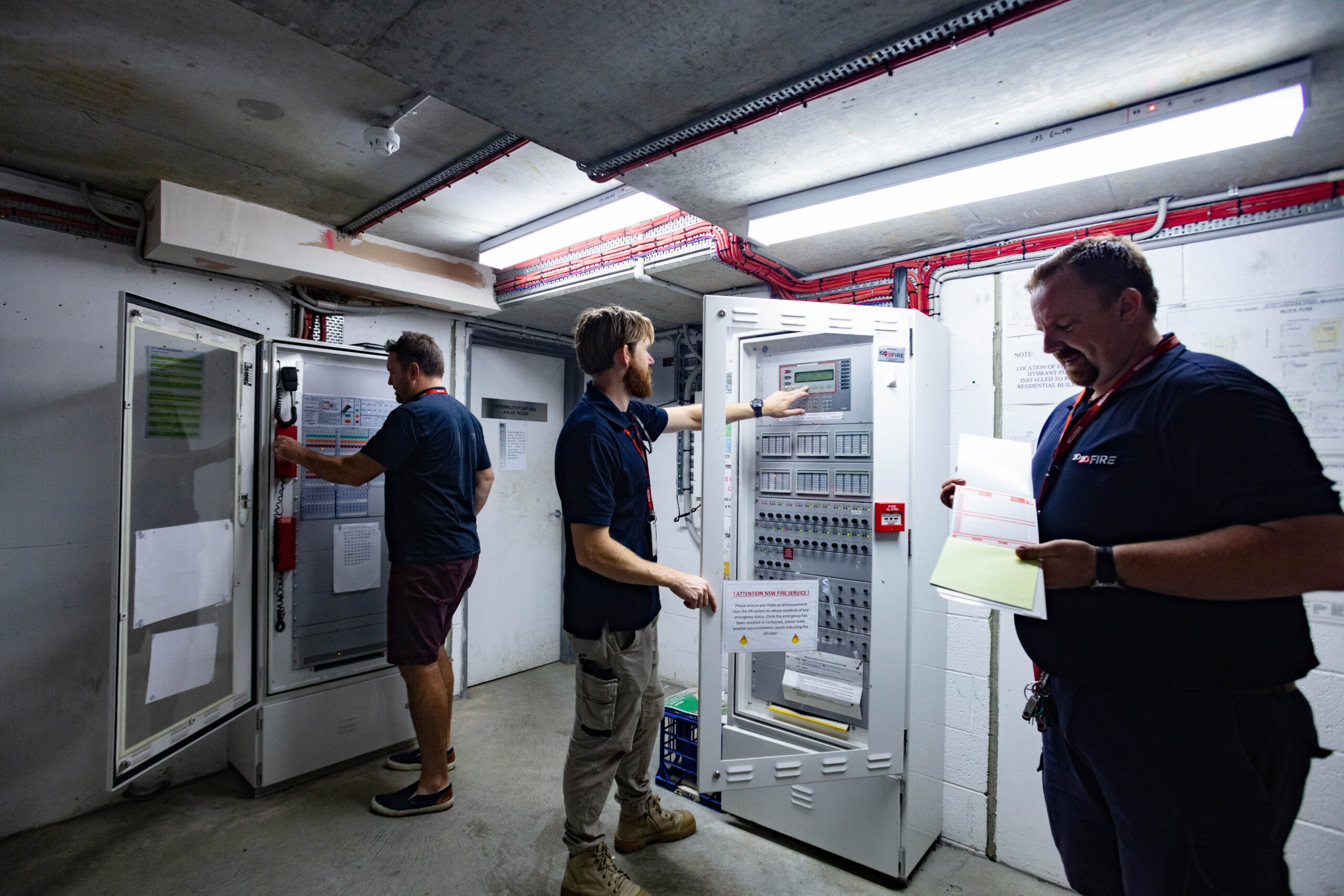
On site, an AP(FS) will typically:
- Review the Fire Safety Schedule and cross-check it against what is installed
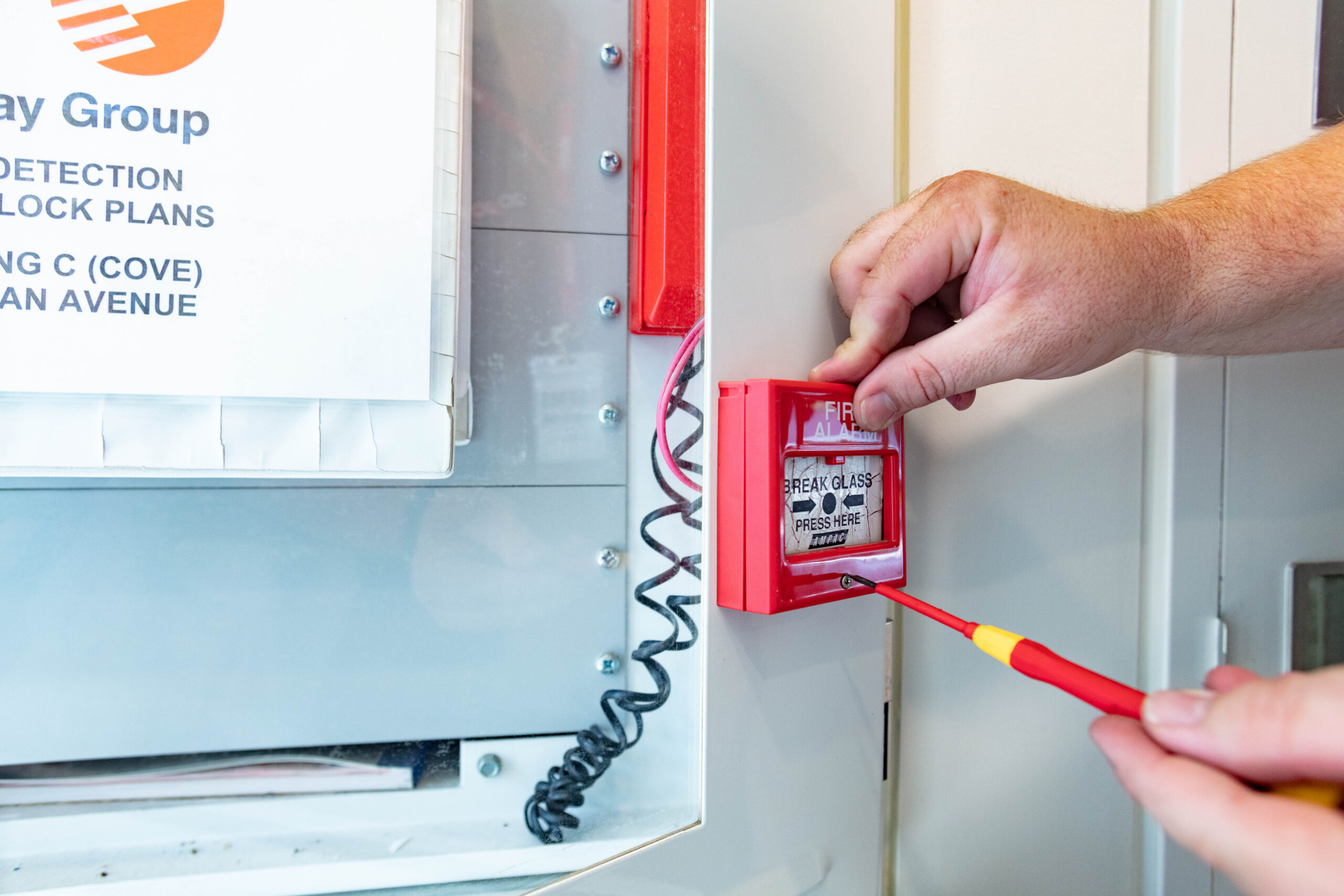
- Inspect each measure against its referenced standard the BCA and specific design standard for each system (AS 2118 for sprinklers, AS 2293 for emergency lighting, and so on)
- Review maintenance records and test results for the preceding year to look for any trends or concerns.
- Identify defects and required rectification works
- Issue formal assessments for each measure, which the building owner then uses to complete the AFSS
Why 2020 Fire
Our team holds AP(FS) accreditation across all the classes that matter for NSW commercial and residential buildings. We can assess, test, repair, and certify which means a single point of contact through the entire compliance cycle. If you are unsure whether your current provider is properly accredited, or you want confidence that every measure on your schedule is covered, our team can audit your arrangement.
You can also see our AFSS timeline for a clear picture of how the annual cycle runs when it is done properly. It is a ten-minute conversation that has saved owners tens of thousands of dollars in remediation, and more importantly given them confidence that the statement they sign is one they can stand behind.