


A fire alarm system is the first line of defence for your building, but it only works as well as the last time it was serviced. There is no place for “maybe” when an emergency happens. You need to be sure that your detectors operate and your alarms sound to evacuate occupants before the fire builds. Maintaining your fire alarm system is not something you simply have to do to follow the rules; it’s a very important safety measure that protects your property, your occupants, and your legal position. We’ll go over the most important stages in this tutorial to help you get past simple “beeping” repairs and reach full compliance, making sure your safety systems are always ready for action.
The Basics of Fire Protection in NSW
In the world of Fire Protection, reliability is not a choice, it’s a rule. AS 1851-2012, the Australian Standard for the routine service of fire protection systems, currently applies to all commercial and multi-residential buildings. As of February 2026 in New South Wales, compliance with this standard is no longer good practice, it’s the law!.
The Maintenance Schedule: How Often and Why
It’s not true that maintenance only happens once a year. There is a cycle of checks that goes on far more regularly:
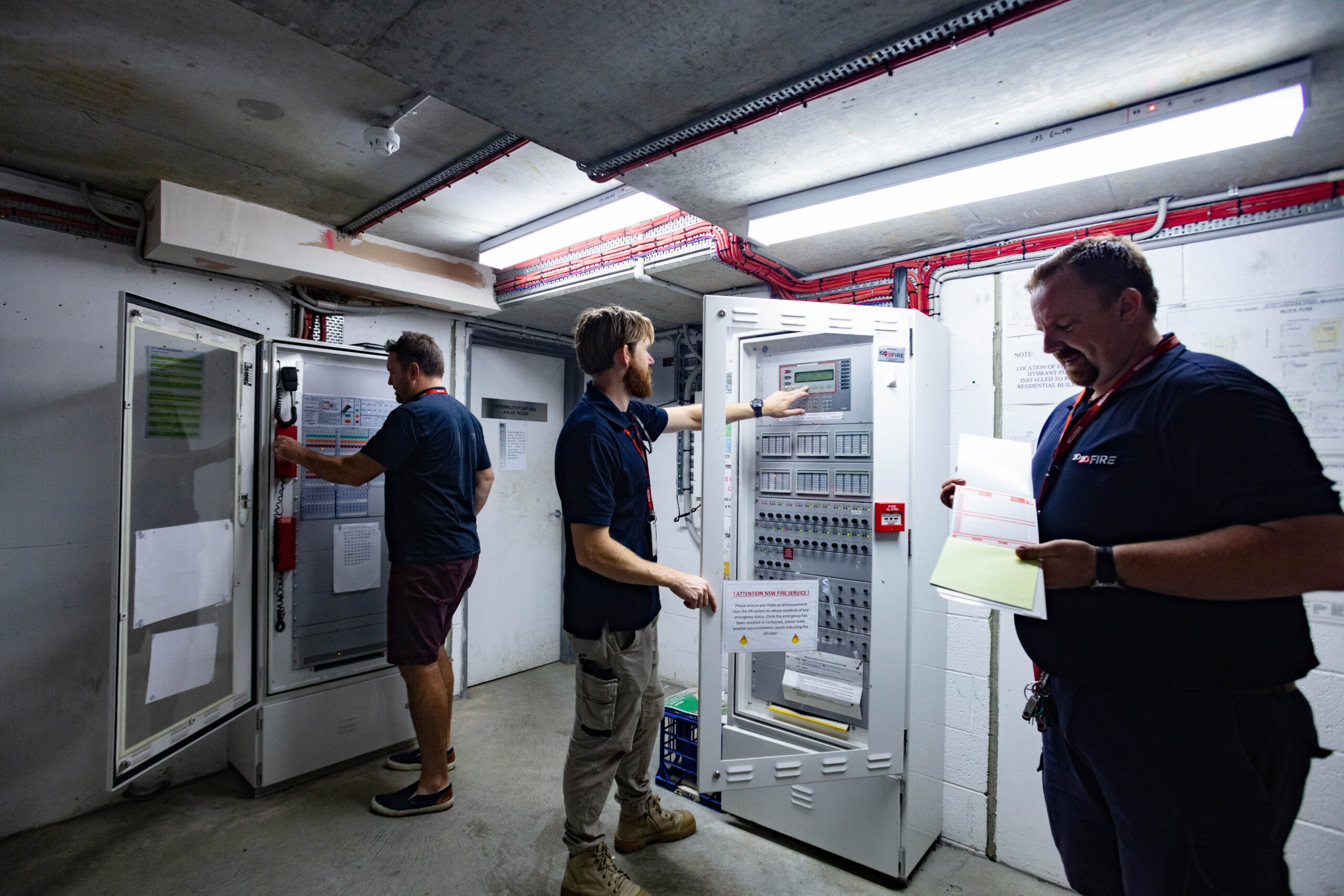
- Monthly: Basic functional tests to make sure the panel is working, the alarms are simulated so we know the “eyes” are open.
- Every six months, a more thorough technical inspection of the fire alarm system to examine battery load, some interfaces with other systems and signal quality.
- Every year, a full check of the fire alarm system and most devices, detectors and speakers to make sure it works well and interfaces accurately with other fire safety measures like sprinklers and mechanical air handling systems.
Placing Smoke & Heat Detectors in the Right Places
The right placement of smoke and heat detectors might be the difference between an early warning and a huge delay. The National Construction Code (NCC) says that detectors must be placed so that there are no “dead air” regions (typically at least 300mm from corners) and so that they are not near air conditioning vents that could waft smoke away from the sensor.
There are strict guidelines on distance between detectors, speaker output volume, location of devices, cabling methodology and more. It is essential these are tested and confirmed regularly to ensure early warning of fire takes place no matter what!
Where located in apartments, placing detectors or smoke alarms between the living space and the sleeping space is essential to early warning.
Speaker placement is equally important. Studies show that it takes 75 decibels at a minimum to wake a sleeping adult. More for children or adults under the effect of drugs or alcohol, so sound level testing is critical to early warning!
Who can do what: DIY or professional?
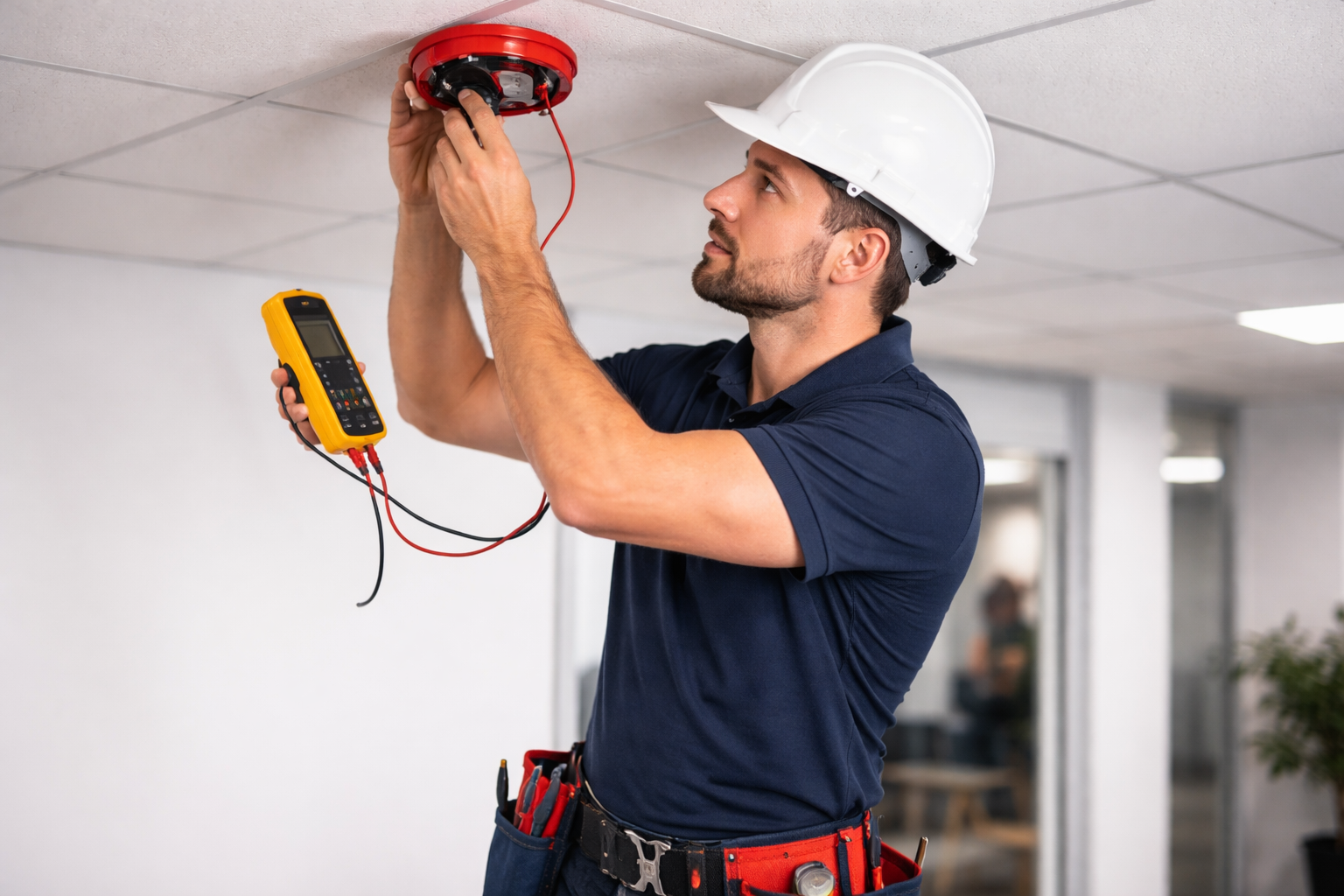
Properly qualified technicians must do the hard work of maintaining fire alarm systems. And to endorse or sign them off annually, in NSW, this requires an Accredited Practitioner (Fire Safety) listed on the NSW Government’s register located here: https://www.fpaa.com.au/Web/Web/Registers/FSA-Register.aspx .
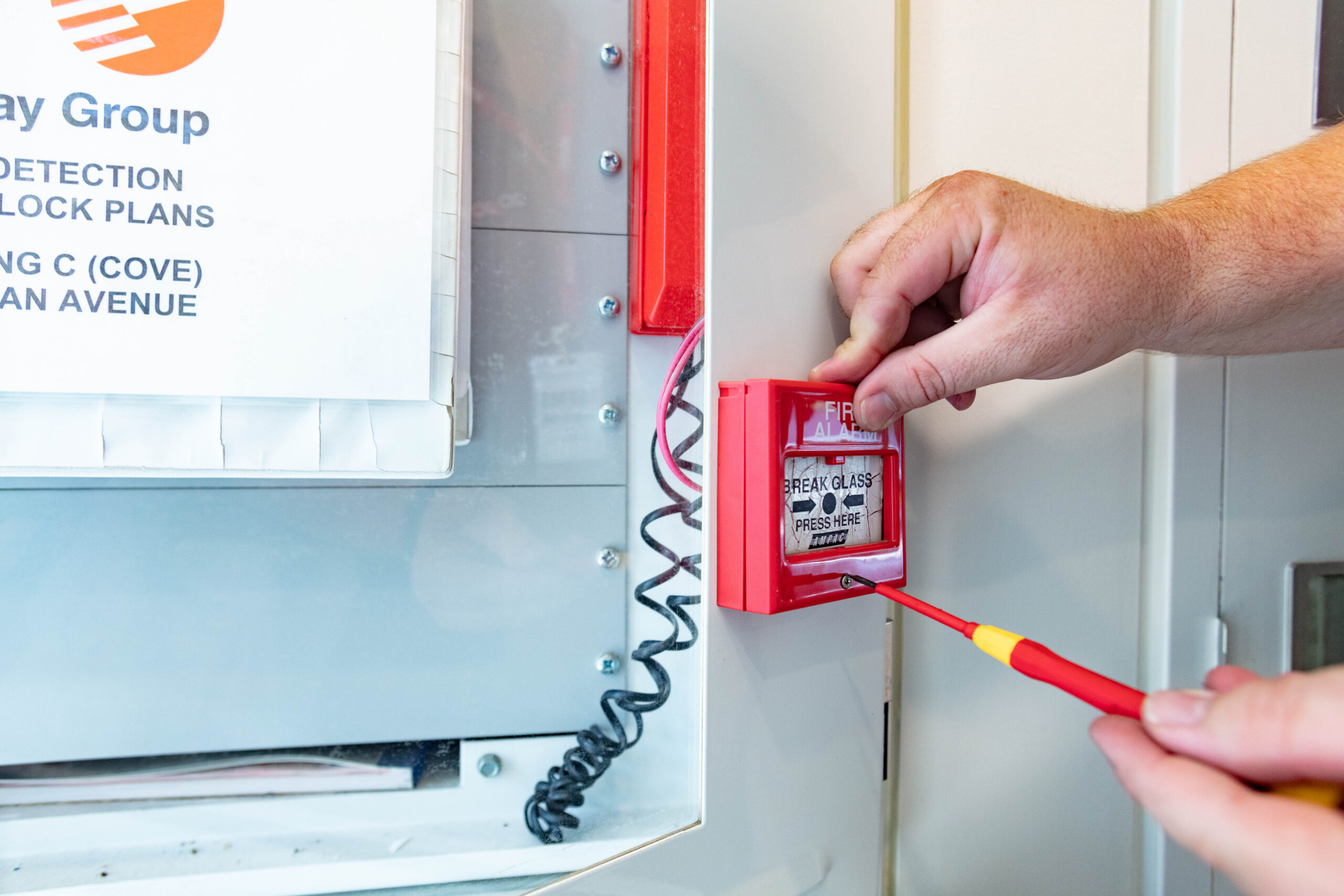
A professional fire alarm system test uses sophisticated tools to produce smoke or heat without damaging the sensors. If you try to fix the internal circuitry of a fire alarm system yourself, you could not only prevent the system from working, but you could also impact insurance or face fines under the legislation.
Troubleshooting: Problems vs. Alarms
If your panel is beeping, it’s probably not an emergency; it’s a “trouble” signal or fault. Some common causes are:
- Dust and bugs can be cleaned up during regular maintenance of the fire alarm system.
- Battery Depletion: Backup batteries normally need to be replaced every two years.
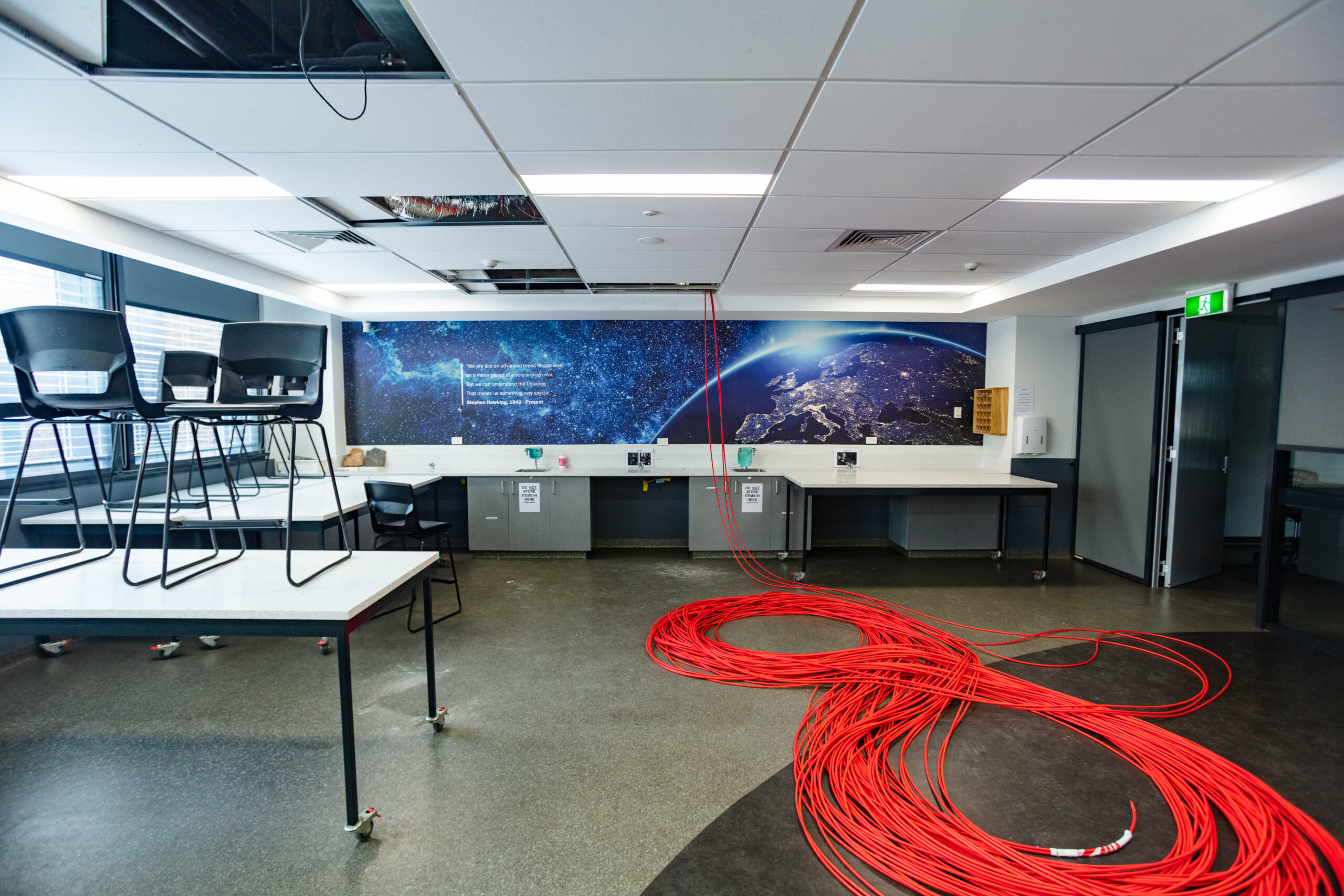
- Problems with wiring: These are often found during a professional assessment of a fire alarm system.
- Water damage
- Cable failure or breakage
- And many more
The key thing to do when you have a fault is to report it to your fire contractor immediately, because it could mean you have one faulty device or an entire building not working. Leaving faults on a panel if not a risk anyone should be taking without knowing the exact cause and having a plan to fix it.
Expert Q&A: Answers to Your Questions About Compliance
1. How often should systems be checked and serviced?
The fire panel is checked monthly. Every six months, a professional must check sections of the fire alarm system and devices, then once a year, 50% of smoke detectors, 20% of heat detectors, all the smoke alarms, all areas of speakers and every-single interface checked. This is a significant audit to make sure that the fire alarm system performs as it would in a fire and in accordance with the codes it must comply with.
2. What does the law say about building compliance?
Owners of buildings must have a valid Annual Fire Safety Statement (AFSS) and test records proving the fire alarm system has been maintained to AS 1851-2012.
3. Can I take care of the system myself?
You can change the batteries in smoke alarms only. All other works must be by a properly qualified or licensed technician. These systems are complex and pressing one wrong button can isolate the entire effectiveness of this essential system.
4. How can I make a panel stop beeping?
Find the problem on the screen and record it, press the buzzer mute button for the internal sounder, and call your service provider. Don’t ever isolate reset or turn off the fire alarm system.
5. What are the differences between a test, an inspection, and a service?
An inspection is a visual check, a test is a functional check, and a service is a thorough technical check of the whole fire alarm system.
6. What papers do I need?
You need to retain a Logbook with all of your service records, fault reports, and commissioning records for at least seven years.
7. What is the price of a maintenance contract?
It depends on the size of the structure, but keeping up with fire alarm system maintenance is always cheaper than paying fines or insurance increases for not doing so.
Keep Your People and Your Property Safe
Don’t wait for a “fault” light to think about how safe you are. Keeping up with fire alarm system maintenance will help keep your facility safe for everyone. Following 2020 Fire Protection’s guidelines and AS1851-2012 will keep people, property, and your professional reputation safe.