



A “set it and forget it” attitude can be a risky gamble when it comes to property protection. Although many building owners concentrate on hardware, the skill of your fire alarm installer frequently makes the difference between a system that only complies with regulations and one that actually saves lives. A expert knows the technical nuances that go beyond simply removing cables, such as how to avoid “dead air” sensor gaps and integrate HVAC systems seamlessly so your building stays a safe haven rather than a liability. We’re revealing what the experts know in this guide to help you choose the best specialist to protect your investment, handle compliance, and steer clear of frequent maintenance hazards.
Outside the Battery: Standard vs. Professional Systems
A simple smoke detector may initially appear to be a part of a high-end fire alarm system. But there is a significant distinction. Standard smoke alarms are stand-alone devices made for basic home use that just notify the nearby area. Without intelligent feedback or central reporting, they function independently.
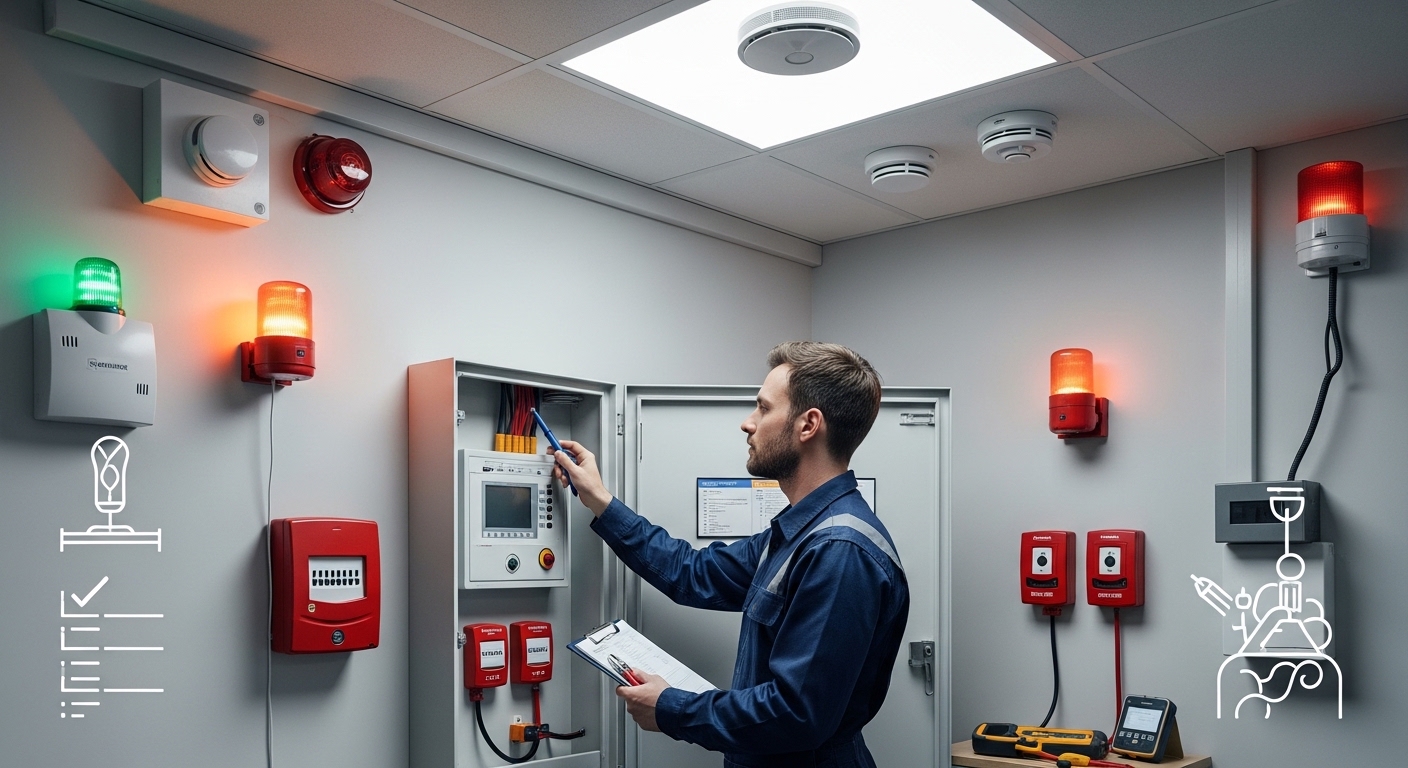
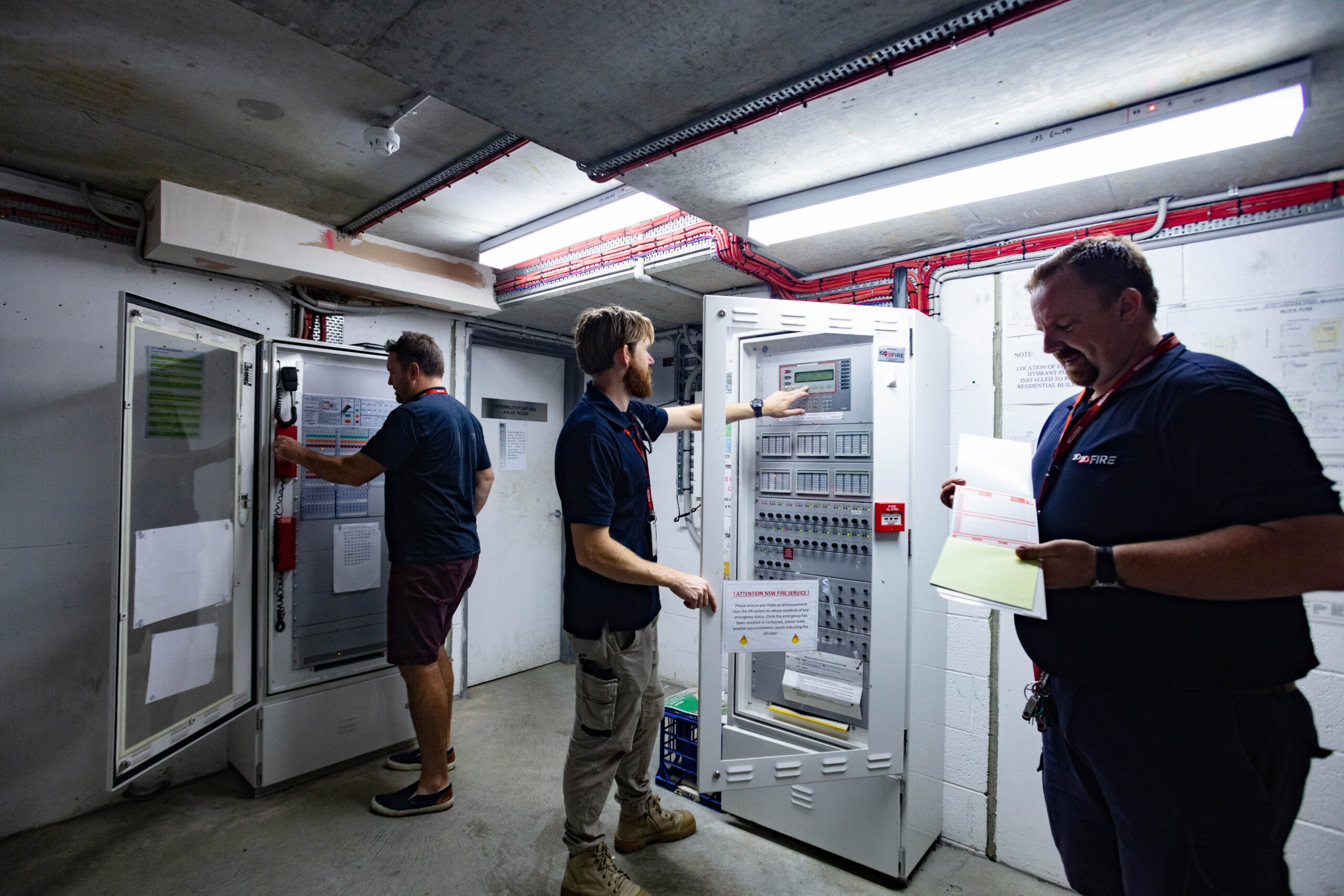
A professional Addressable Fire Alarm System, on the other hand, is a highly advanced network managed by a central Fire Alarm Control Panel (FACP). Each smoke detector, heat sensor, manual pull station, and horn strobe in this configuration has its own “address.” Instead of merely identifying a general area or floor, this enables the system to pinpoint the precise location of a fire (e.g., “Smoke detector in Conference Room B, 3rd Floor”). Firefighters’ reaction times are significantly shortened by this accuracy, enabling them to reach the danger’s origin.
A professional fire alarm installer also incorporates a system known as a Supervised Loop. This indicates that the system continuously checks the components and wiring for integrity around-the-clock. When a power source fails, a gadget malfunctions, or a wire is severed, the FACP instantly records a “trouble” signal. In contrast to a simple home detector that could silently malfunction without you realising it until it’s too late, this proactive self-checking makes sure the system is always ready. For commercial and multi-residential properties, this degree of attention to detail in fire system maintenance is essential.
Placement Science: Steering Clear of “Dead Air”
The location of detectors is as crucial as the kind of detector that is selected. Even inexperienced installers frequently make the error of placing devices incorrectly, which can result in a lot of false alarms or, worse, “dead zones” where smoke may not be detected until it is too late.
The Airflow rules
- Professional fire alarm installers follow a set of strict rules for spacing – generally set out in standards such as AS1670.1
- Smoke detectors should not be positioned too close to corners that run from wall to ceiling.
- Static air can trap smoke in these corners, which are referred to as “dead air” areas, delaying smoke’s timely arrival at the sensor.
- Air currents may also whisk smoke away from detectors positioned too close to HVAC supply or return vents, delaying activation and there are rules about this spacing that professional fire alarm installers will help you navigate.
Strategic Sensor Selection
- Using Rate-of-Rise Heat Detectors or Multi-Sensor Detectors strategically in place of conventional photoelectric smoke detectors is an important installer trick for spaces that are prone to steam, dust, or cooking smells.
- Heat detectors don’t detect steam from a shower or car exhaust since they only detect sudden spikes in temperature or persistently high temperatures.
- Multi-sensor detectors eliminate “cry wolf” situations by combining smoke, heat, and occasionally CO sensing.
- These environmental conditions are taken into consideration while performing a fire alarm system installation.
Compliance and the Unspoken Economic Gains
It can be intimidating to comprehend the legal requirements for a fire alarm system, but it’s essential. Respecting life-safety laws such as the Building Code of Australia (BCA/ NCC), AS1670.1 and various local codes are more important than simply following arbitrary regulations.
Legal and Insurance Benefits
- The Building Classification and other parameters, such as size, height, and occupant load, will determine the unique requirements of your structure.
- A monitored, addressable system is nearly always required if your building has more than a particular number of occupants or is taller than a certain amount (usually 25 metres).
- The Insurance Credit: Discounts of 10% to 15% are frequently available for systems with “Fire Alarm Monitoring.”
- A skilled, compliant fire system service provider can successfully cover its own continuous maintenance over time, making an essential cost a wise financial choice.
Maintenance: The Secret of the “Sensitivity Test”
Functional Sensitivity Testing is the real expert key to guaranteeing a system’s preparedness and this can be done by following AS1851-2012 as legislated in New South Wales since February 2026.
Eventually, environmental elements such as dust, pollution, humidity, or even ageing itself can cause the sensor on a detector to “drift.” Professional fire system service personnel utilise specialised, calibrated equipment, frequently incorporating controlled smoke aerosols, to precisely assess the detector’s sensitivity. They guarantee that every device activates inside the window specified by the manufacturer.
The Central Nervous System: Integration of HVAC and Building Management Systems (BMS)
Modern fire alarm systems serve as the brains behind a building’s whole life-safety infrastructure. Beyond simple detection, a professional system carries out vital “Life Safety Functions” using complex relay modules and network connections.
- HVAC Integration: It can interact with the building’s HVAC system to notify it to turn off air handling, pressurize stairwells and operate dampers, preventing smoke from moving into egress routes.
- Elevator Recall: All elevators may be automatically directed to a specified floor – often Ground, where their doors are opened and they remain ready for Fire Brigade use.
- A competent fire alarm installer can organise this interconnection, which transforms a building’s emergency response into a comprehensive life-safety network.
Decoding the “Fault” Light in Troubleshooting
Your Panel’s “Fault” light is a serious warning that a component in the fire alarm system isn’t functioning properly. It is never an option to ignore it as it’s impossible to know at first glance if it’s one device or an entire circuit not working as designed.
Common “Secret” Causes
- Ground Faults: Happen when a wire’s insulation is damaged and comes into contact with a grounded surface.
- End-of-Line Resistor (EOL): If the EOL is missing or placed incorrectly, the panel cannot distinguish between a working wire and one that has been severed.
- A skilled fire system service specialist will recognise and address these typical problems in a timely manner.
Selecting an Expert:
Selecting the best fire alarm installer is essential. Finding someone with knowledge of intricate codes and subtle installations is more important than simply finding someone who can rip wires. To install fire alarm systems, you need a combination of electrical skills, electronics knowledge, logic control programing, a cabler’s license and for final connection, an electrical license. In addition to these, deep knowledge of the Builidng Code and Australian Standards AS1670 series is the “secret” certificate to search for.
Three Questions for Your Installer
- Do you hold an electrical license and a cabler’s registration for fire alarm systems?
- Could you give references from customers and councils you’ve worked with in the area?
- How can you guarantee continued adherence to Building Codes as well as the AS1670 series of Australian Standards?
Don’t rely on guessing or leave the safety of your building up to chance. Vigilant fire system maintenance to AS1851-2012, careful installation, and fire alarm expertise are the real keys to successful fire prevention. For a thorough fire alarm system installation audit or learn more about how our expert fire alarm installer services can raise the bar for building safety, get in touch with our qualified staff right now.
FAQs
- Can I put wireless smoke detectors in a business building?
Yes, current wireless (radio-link) technology is now a choice for businesses, especially those in heritage buildings where it’s hard to run new cables. But the key is to make sure they meet the relevant standards and are connected to a main Fire Indicator Panels. Professional wireless systems, unlike home wireless units, use safe, encrypted bands to make sure that if one device loses its signal, the “fault” light will show up right away.
- Why does the light on my fire warning panel say “Fault” instead of “Alarm”?
Answer: An alarm means that there is a real risk of fire. A Fault alert means that a secondary life-safety part has been found to be “abnormal” by the system. A fault light will be shown on the screen if, say, a valve is closed or a detector is removed. It doesn’t mean there’s a fire, but the fire control system in your building is currently broken and needs to be fixed right away.
- How long do the batteries and devices in professional fire alarms really last?
Answer: Lead-acid backup batteries should be replaced every two years, even if they look like they are still working, according to industry standards (AS1851-2012). Optical smoke alarms last for about 10 years on average. After ten years, the internal sensors often “drift” in sensitivity or get filled with tiny dust particles. This makes it more likely that the alarm will go off for no reason or during a real fire.
- If the fire brigade comes, will I be charged for a “False Alarm”?
Answer: Fire & Rescue NSW charge around $1650 for “preventable” false alarms that happen because of poor maintenance or cooking fumes. To escape these fees, the “pro secret” is to have your Detectors inspected, tested and regularly checked for dirt. Make sure that the person who installed your fire alarm has set up a “verification delay” where permissible. This gives on-site personnel a short time (usually 30–60 seconds) to check for a false trigger before the signal is automatically sent to emergency services.